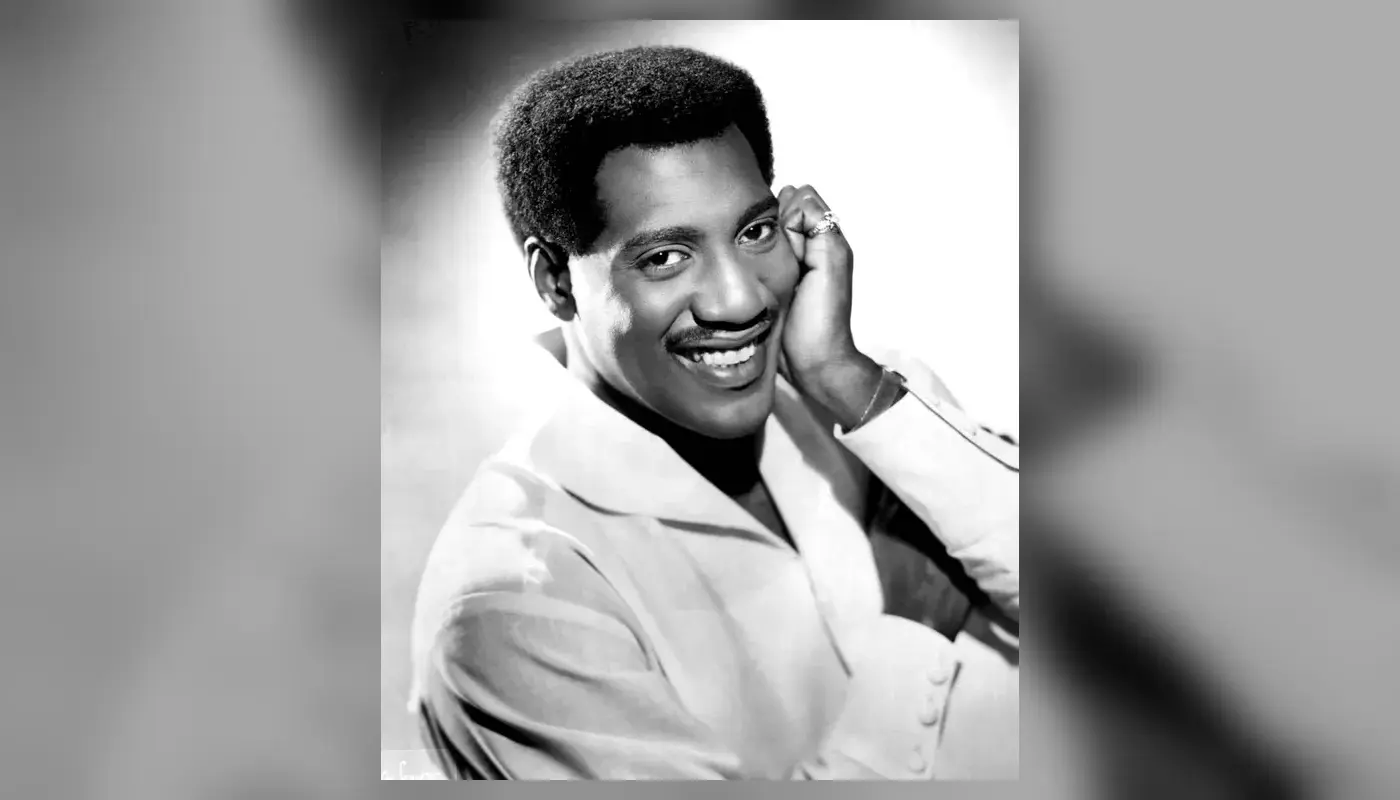
Otis Redding
Southern Soul / Rhythm and Blues
Otis Redding became one of Southern soul’s greatest voices through gospel intensity, direct songwriting and an overwhelming stage presence. His career ended tragically in 1967.

The story through the 1960s
Otis Redding became one of Southern soul’s greatest voices through gospel intensity, direct songwriting and an overwhelming stage presence. His career ended tragically in 1967.
From Macon to Memphis
Growing up in Macon, Georgia, Redding was inspired by Little Richard’s energy on stage and sang in gospel and R&B settings from a young age. Working as a driver and supporting singer with Johnny Jenkins’ band brought him into the Stax circle in Memphis.
“These Arms of Mine”, recorded at the end of a 1962 session, attracted attention through its slow, heartfelt vocal. Stax/Volt, with the support of Booker T. & the M.G.’s and the Memphis horns, brought his natural delivery forward without elaborate orchestral display.
Developing as a singer and songwriter
“Pain in My Heart”, “Mr. Pitiful”, “I’ve Been Loving You Too Long” and “Respect” showed his strength as a writer of rhythmic soul as well as powerful ballads. Repetition, a rising voice and economical words created intense emotional tension.
The original “Respect” made a demand from a man’s perspective; Franklin later transformed it into a very different anthem of freedom. The two interpretations provide a powerful example of a song’s changing ownership and meaning within soul.
Stage performance and Europe
In fast performances, Redding bent at the knees, sweated and directed the horns, making a direct connection with his audience. The Stax/Volt European tour demonstrated Black American soul’s enormous impact on British and European listeners.
His brief, intense set before the largely white rock audience at the 1967 Monterey Pop Festival introduced him to the counterculture generation. It marked the opening of a new phase in his career.
The final recordings and tragedy
After vocal-cord surgery, Redding explored a more controlled, melodic direction. Written with Steve Cropper, “(Sittin’ On) The Dock of the Bay” differed from his earlier work through its open structure, closing whistle and sense of stillness.
On 10 December 1967, Redding and most of the Bar-Kays travelling with him died when their touring aircraft crashed in Wisconsin. The song was released in 1968 and reached number one after his death.
The influence beyond the songs
Brief as his career was, Redding set a standard for Southern soul singing. His bridge between rock festival audiences and the Black R&B tradition symbolised the musical convergences of the 1960s.
The Stax family and the art of interpretation
Redding’s voice gained its power through the physical expression of feeling more than technical smoothness. Working in Stax’s Memphis studio with Booker T. & the M.G.’s, the Mar-Keys horns, producer Jim Stewart and Cropper kept the sound of a live band within the songs. Redding often developed new words and vocal outbursts in rehearsal, while Cropper shaped the ideas into song form.
“These Arms of Mine”, “I’ve Been Loving You Too Long” and “Try a Little Tenderness” demonstrated his ability to build intensity from a slow beginning. He was also a songwriter whose compositions, including “Respect”, had strong dramatic centres that other performers could transform.
Monterey, reaching new audiences and the unfinished future
The short Monterey set in 1967 showed Southern soul’s stage power to a largely white rock audience. Afterwards, Redding wanted to broaden his repertoire and writing, learning from the Beatles’ studio experiments and Dylan’s approach to words. “(Sittin’ On) The Dock of the Bay” offered a calmer, reflective and open-ended narrative than his earlier call-and-response explosions.
The December 1967 plane crash took Redding’s life and those of most of the touring musicians aboard. The song’s huge posthumous success reminds us that listeners heard only the beginning of his new direction. His legacy lived through Stax’s communal approach to recording, his open expression of male vulnerability and his bringing soul to the rock festival audience.
Selected recordings for exploring the decade
This chronological selection follows the career’s direction, changes in sound and major turning points across the decade. It is a listening route rather than a ranking of the best songs. Individual recording features will be linked as they become available.
These Arms of Mine
The first major Stax breakthrough and the emergence of a vulnerable ballad voice.
Mr. Pitiful
Joined humour and hurt within rhythmic soul.
I’ve Been Loving You Too Long
A masterpiece of steadily rising vocal intensity.
Respect
The forceful, demanding original that preceded Franklin’s interpretation.
Try a Little Tenderness
A stage classic moving from a slow beginning to an explosive finale.
Tramp
A playful, competitive duet with Carla Thomas.
(Sittin’ On) The Dock of the Bay
The posthumously released masterpiece that revealed his new direction.
Explore original Oldies Radyo designs
All the T-shirt, mug and wallpaper previews shown here come from Oldies Radyo’s Etsy listings.

1964 British Invasion Wallpaper
An original Oldies Radyo design bringing the London beat scene, young guitar bands and the energy of 1964 into the music room.
View on Etsy →
1968 Peace, Love & Groovy Wallpaper
An original Oldies Radyo design inspired by 1968, with flowers, peace signs, guitars and the period’s spirit of freedom.
View on Etsy →
Mods vs Rockers T-shirt
An original Oldies Radyo design recalling the famous 1960s rivalry between scooter and motorcycle youth cultures.
View on Etsy →These articles were originally written in Turkish for Oldies Radyo through comparisons of international institutional sources and archives. This English edition preserves their scope and editorial approach.
Related 1960s artist features