James Brown
Soul / Rhythm and Blues / Funk
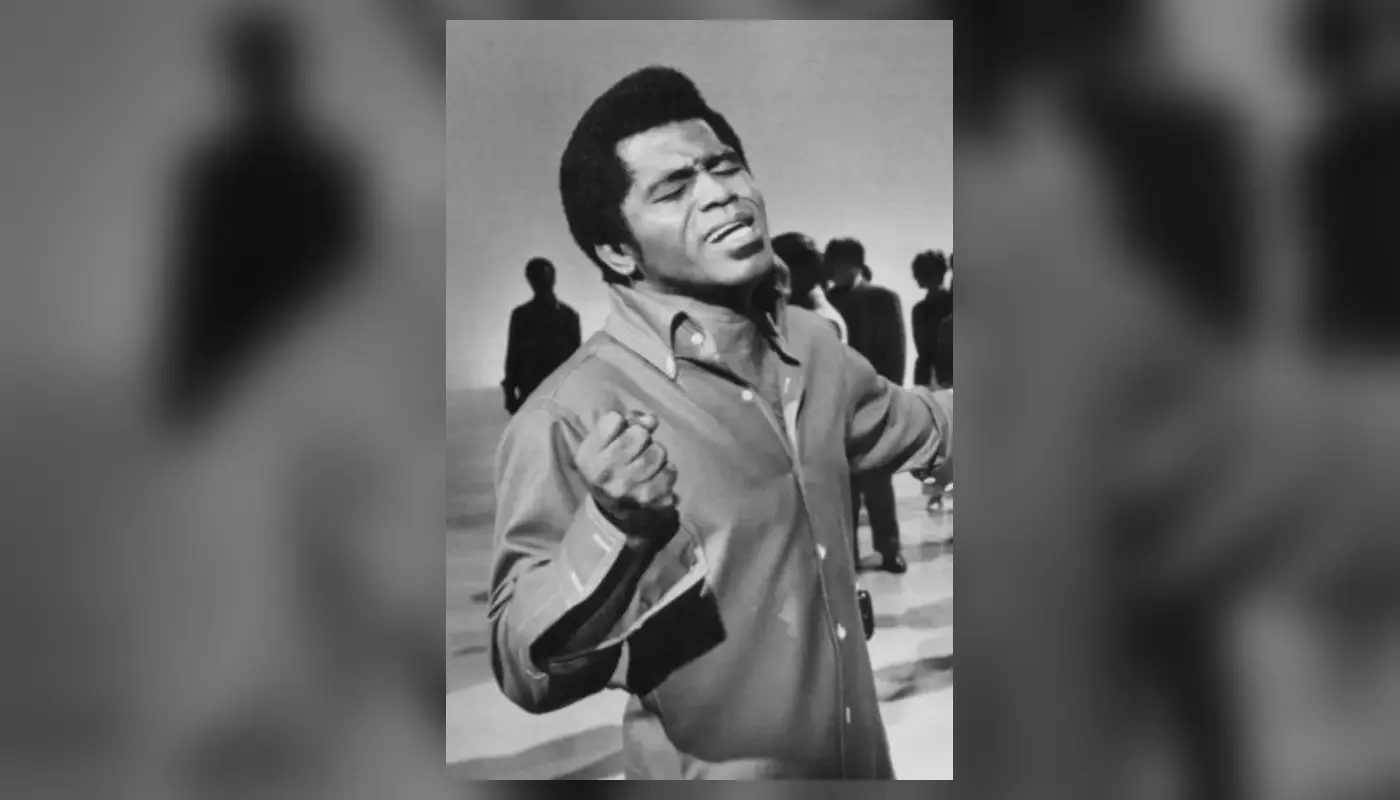
James Brown became a principal architect of the move from soul to funk in the 1960s, combining stage discipline, rhythmic innovation and Black pride.

The story through the 1960s
James Brown became a principal architect of the move from soul to funk in the 1960s, combining stage discipline, rhythmic innovation and Black pride.
The Famous Flames and the early struggle
Poverty in Georgia and South Carolina shaped Brown’s childhood and youth. His connection with Bobby Byrd around the end of his imprisonment led him into the gospel and R&B-based group that became the Famous Flames. “Please, Please, Please” brought a breakthrough in 1956.
Disagreements arose over the group’s name and division of income, while Brown quickly became its dominant star. By the early 1960s, constant touring, strict rehearsals and an unforgiving performance standard had established his identity as “The Hardest Working Man in Show Business”.
The live album and authority on stage
King Records executives doubted the idea of a live album at the Apollo Theater. Brown funded the recording himself; Live at the Apollo unexpectedly became a major, enduring success in 1963.
The stage show was built around falling to his knees, the cape ceremony, sudden rhythmic stops and carefully controlled tension with the audience. The Famous Flames and the orchestra had to respond instantly to Brown’s signals.
Rhythm moves to the centre
“Out of Sight”, “Papa’s Got a Brand New Bag” and “I Got You (I Feel Good)” developed an approach in which instruments worked as interlocking rhythmic cells more than melodic accompaniment. A powerful emphasis on the first beat became fundamental to funk.
With extended vamps, cutting guitars, syncopated bass and punctuating horns, “Cold Sweat” and “I Got the Feelin’” turned the soul song into a more abstract rhythmic machine. Contributions from Maceo Parker, Clyde Stubblefield and the other musicians were indispensable.
Black pride and a public role
The televised Boston concert following Martin Luther King Jr.’s assassination in 1968 is remembered as a historic moment that helped ease tensions in the city. Brown also used his public platform to stress Black economic independence and education.
“Say It Loud – I’m Black and I’m Proud” became one of popular music’s strongest expressions of Black pride through its children’s chorus and direct slogan. Brown’s politics did not always follow a single line, but his cultural influence was undeniable.
The influence beyond the songs
Brown’s approach to rhythm became a foundation for funk, disco and hip-hop. His drum breaks and brief vocal exclamations ranked among the sounds most widely used in the sampling culture that followed.
Stage discipline and the live album
The show developed with the Famous Flames depended on strict rehearsals, precise poses, the cape ritual and instantaneous commands to the band. Fining musicians for a wrong note or an error in their clothing could be seen as authoritarian. That discipline nevertheless allowed Brown to put his rhythmic ideas into practice with extraordinary precision. Funded by Brown despite the label’s doubts, the 1963 release Live at the Apollo demonstrated the commercial power of a live R&B album.
Brown began thinking of a song as interlocking rhythmic cells more than a sequence of chord changes. Drums, bass, guitar and horns became parts of a common groove instead of separate melodies. With their emphasis on the first beat, “Papa’s Got a Brand New Bag” and “Cold Sweat” established the grammar of funk.
Black pride, enterprise and contradictions
With its children’s chorus, “Say It Loud – I’m Black and I’m Proud” became an anthem that openly affirmed Black identity. Brown supported the televised Boston concert after King’s assassination in 1968, helping reduce tensions in the city. His relationships with conservative politicians and emphasis on order also made it difficult to place him within a single political position.
He championed Black enterprise through radio stations, restaurants and production companies, while disputes over pay and control strained relationships with his musicians. Those contradictions do not diminish his historical impact, but they reveal a gap between the language of freedom on stage and a severe workplace hierarchy. By the end of the 1960s, his rhythmic revolution had laid foundations for soul, funk, Afrobeat, disco and hip-hop.
Selected recordings for exploring the decade
This chronological selection follows the career’s direction, changes in sound and major turning points across the decade. It is a listening route rather than a ranking of the best songs. Individual recording features will be linked as they become available.
Think
The fast gospel-R&B energy of the Famous Flames years.
Live at the Apollo
Proved the commercial and artistic strength of a live album.
Out of Sight
A rhythmic turning point opening towards funk.
Papa’s Got a Brand New Bag
A new language of the first beat and a sharply defined groove.
I Got You (I Feel Good)
Brown’s best-known burst of joy and rhythmic energy.
Cold Sweat
A foundational recording of extended, drum-centred funk.
Say It Loud – I’m Black and I’m Proud
Placed Black pride directly at the centre of popular music.
Funky Drummer
One of hip-hop’s great sources, through Clyde Stubblefield’s rhythm.
Explore original Oldies Radyo designs
All the T-shirt, mug and wallpaper previews shown here come from Oldies Radyo’s Etsy listings.

1964 British Invasion Wallpaper
An original Oldies Radyo design bringing the London beat scene, young guitar bands and the energy of 1964 into the music room.
View on Etsy →
1968 Peace, Love & Groovy Wallpaper
An original Oldies Radyo design inspired by 1968, with flowers, peace signs, guitars and the period’s spirit of freedom.
View on Etsy →
Mods vs Rockers T-shirt
An original Oldies Radyo design recalling the famous 1960s rivalry between scooter and motorcycle youth cultures.
View on Etsy →- Rock & Roll Hall of Fame — James Brown
- Smithsonian — James Brown
- Encyclopaedia Britannica — James Brown
These articles were originally written in Turkish for Oldies Radyo through comparisons of international institutional sources and archives. This English edition preserves their scope and editorial approach.
Related 1960s artist features