Bob Dylan
Folk / Folk Rock / Singer-Songwriter
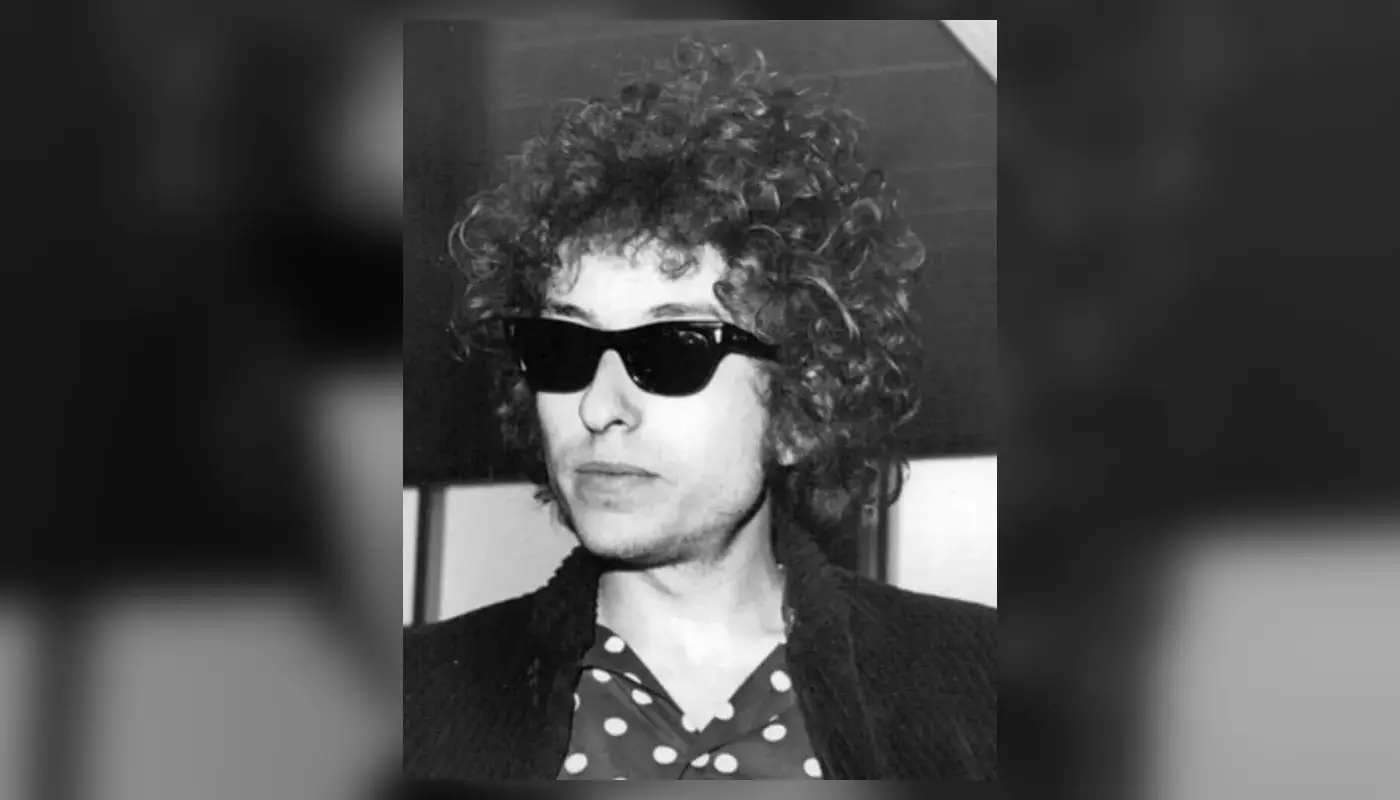
Bob Dylan radically extended the scope of song lyrics in the 1960s by bringing folk tradition together with modern poetry, political observation and personal transformation.

The story through the 1960s
Bob Dylan radically extended the scope of song lyrics in the 1960s by bringing folk tradition together with modern poetry, political observation and personal transformation.
From Minnesota to Greenwich Village
Robert Zimmerman came to New York in 1961, drawn by his admiration for Woody Guthrie, and joined the Greenwich Village folk scene. Traditional songs, blues and ballads helped establish a strong performing personality. Covers predominated on the first album; original writing quickly came forward on the second.
“Blowin’ in the Wind” and “A Hard Rain’s a-Gonna Fall” opened broad associations around civil rights, war and moral responsibility through questions and images. Appearing with Joan Baez and at the March on Washington helped make Dylan a symbol of the protest generation.
Moving beyond the protest identity
He soon grew uneasy with the role of generational spokesman. Another Side of Bob Dylan included more personal relationships, humour and inward observation. The change intensified arguments in folk circles about political commitment.
The electric-band performance at the 1965 Newport Folk Festival became a symbol of the collision between folk purity and rock energy. Details of the audience’s reaction remain disputed, but the event marks a historic crossing of genre boundaries.
The electric trilogy
Bringing It All Back Home, Highway 61 Revisited and Blonde on Blonde combined blues, a rock band, surreal imagery and extended narratives. The six-minute structure and sharp questions of “Like a Rolling Stone” widened the formal possibilities of the pop single.
Working with figures from different circles, including Mike Bloomfield, Al Kooper and Nashville musicians, Dylan assembled studio players around each song’s needs. Blonde on Blonde approached the intensity of what he described as a “thin, wild mercury sound”.
The accident, withdrawal and a return to the roots
After the 1966 motorcycle accident, Dylan withdrew from touring. Recordings with members of the Band near Woodstock made a simpler return to American folk, country, gospel and older ballads. They later became known as The Basement Tapes.
John Wesley Harding and Nashville Skyline brought spare narratives, country arrangements and softer singing after the dense surreal lyrics. At the decade’s end, he again unsettled expectations by taking another direction.
The influence beyond the songs
The influence reaches beyond political song. Dylan brought literary density into rock lyrics, demonstrated the possibilities of repeated artistic reinvention and directly affected the repertoires of the Beatles, Byrds and Hendrix.
The transformation of lyric writing
The direct language of early protest songs soon developed into personal, surreal, many-layered poetry. “Mr. Tambourine Man”, “It’s Alright, Ma (I’m Only Bleeding)” and “Desolation Row” showed how popular song could sustain extended literary thought. Beat poetry, blues idioms, biblical images and observations of the modern city met within the lyrics.
The electric trilogy joined the power of a rock band to this new lyrical language. Collaborations with Bloomfield, Kooper and Nashville players show Dylan continually reshaping the studio ensemble in search of a sound, moving freely among different musical communities.
Fame, withdrawal and the country turn
Newport is often presented as a single moment of betrayal, although the repertoire and recordings were already changing. The argument exposed the clash between folk audiences’ expectations of political representation and Dylan’s demand for personal freedom. Touring and media pressure became increasingly exhausting.
Retreating from public life after the 1966 accident allowed quieter recording with the Band around Woodstock. The Basement Tapes sessions brought older folk, country and blues material together with modern songwriting. Amid psychedelia, John Wesley Harding and Nashville Skyline made another unexpected turn towards plain storytelling and country sound.
Selected recordings for exploring the decade
This chronological selection follows the career’s direction, changes in sound and major turning points across the decade. It is a listening route rather than a ranking of the best songs. Individual recording features will be linked as they become available.
Blowin’ in the Wind
Questions gave the desire for civil rights and peace a universal reach.
A Hard Rain’s a-Gonna Fall
Apocalyptic imagery extended the possibilities of modern folk storytelling.
The Times They Are a-Changin’
A generational anthem of social change.
Subterranean Homesick Blues
Speech-like singing and dense words at the transition into folk rock.
Like a Rolling Stone
A breakthrough in the length, lyrical scope and emotional force of the pop single.
Visions of Johanna
The city, desire and alienation turned into surreal poetry.
All Along the Watchtower
A brief, mysterious story that gained another life through Hendrix.
Lay Lady Lay
A warm, soft-voiced example of the country-pop direction.
Explore original Oldies Radyo designs
All the T-shirt, mug and wallpaper previews shown here come from Oldies Radyo’s Etsy listings.

1964 British Invasion Wallpaper
An original Oldies Radyo design bringing the London beat scene, young guitar bands and the energy of 1964 into the music room.
View on Etsy →
1968 Peace, Love & Groovy Wallpaper
An original Oldies Radyo design inspired by 1968, with flowers, peace signs, guitars and the period’s spirit of freedom.
View on Etsy →
Mods vs Rockers T-shirt
An original Oldies Radyo design recalling the famous 1960s rivalry between scooter and motorcycle youth cultures.
View on Etsy →These articles were originally written in Turkish for Oldies Radyo through comparisons of international institutional sources and archives. This English edition preserves their scope and editorial approach.
Related 1960s artist features