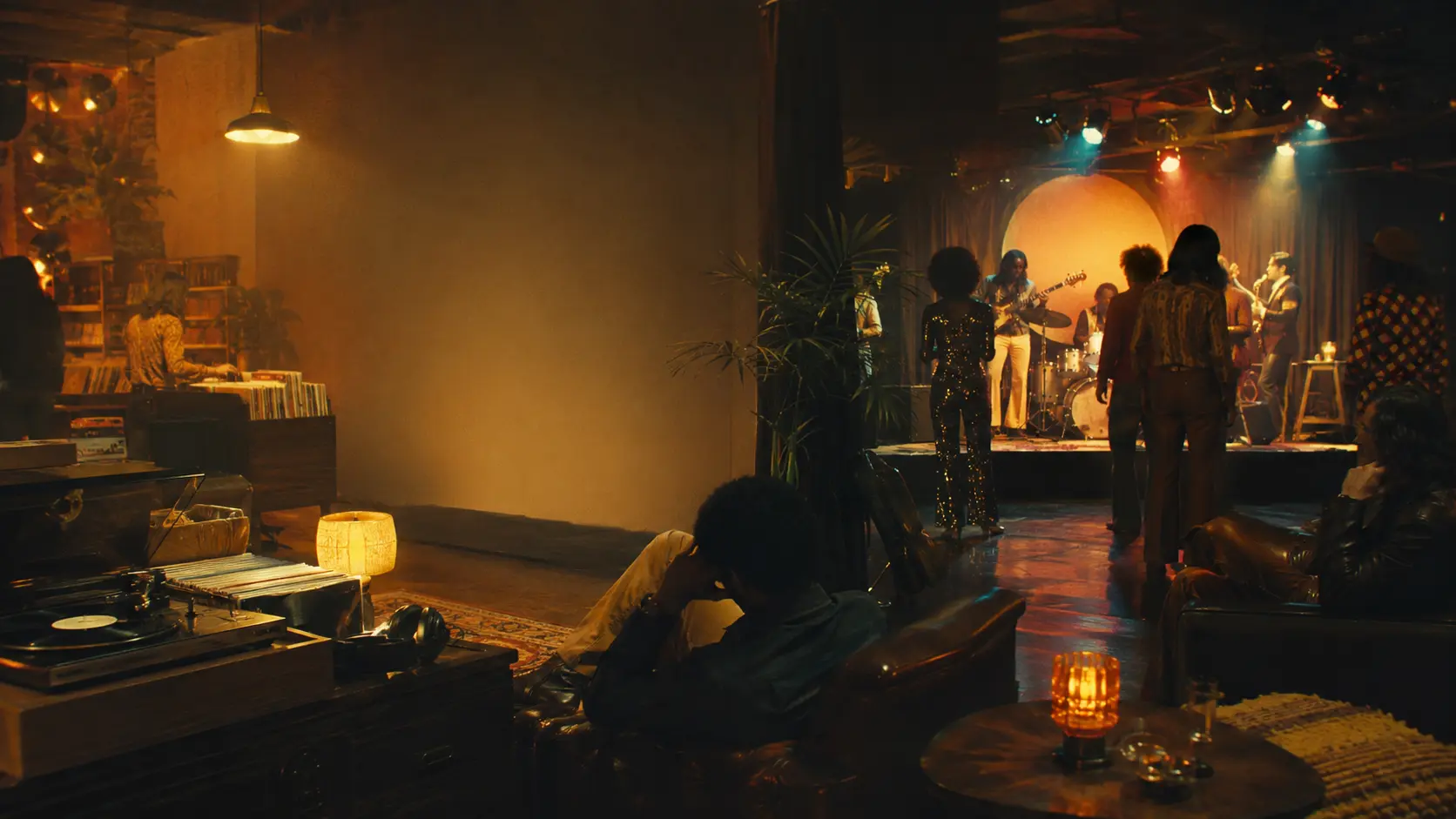
The 1970s were one of popular music’s great expansion decades. Hard rock, heavy metal, progressive rock, glam, singer-songwriter music, funk, disco, punk, reggae, electronic music, jazz fusion and early hip-hop all developed powerful identities—often at the same time.
Rock becomes heavier and larger
Led Zeppelin, Black Sabbath and Deep Purple pushed blues-based rock toward greater volume and weight, while arena rock and AOR turned the album-and-tour model into a huge international business.
Progressive and art rock
Pink Floyd, Genesis, Yes and others used longer forms, concept albums, synthesizers and elaborate live production to stretch rock beyond the three-minute single.
Glam and theatrical identity
David Bowie, T. Rex, Roxy Music and later Queen made image, costume and performance central to the music, turning rock into a more consciously visual art form.
Soul, funk and disco
Stevie Wonder, Marvin Gaye and Curtis Mayfield expanded soul into album-based social commentary, while James Brown, Parliament-Funkadelic and Earth, Wind & Fire drove funk forward. Philadelphia soul and disco then transformed nightlife and dance-floor culture.
Punk and new wave
By the middle of the decade, punk rejected rock’s growing complexity through speed, simplicity and confrontation. Ramones, Sex Pistols, The Clash and Patti Smith helped open the path toward new wave and post-punk.
Global and technological change
Roots reggae, dub, Afrobeat, salsa, krautrock, ambient and electronic music made the decade increasingly international. At the end of the 1970s, hip-hop was also beginning to emerge in New York.
Explore style pages: Hard Rock & Heavy Metal · Progressive & Art Rock · Glam Rock · Arena Rock & AOR · Singer-Songwriter & Soft Rock · Funk · Disco · Punk Rock · Roots Reggae · Dub · Jazz Fusion · Krautrock & Electronic · Afrobeat · The Birth of Hip-Hop.