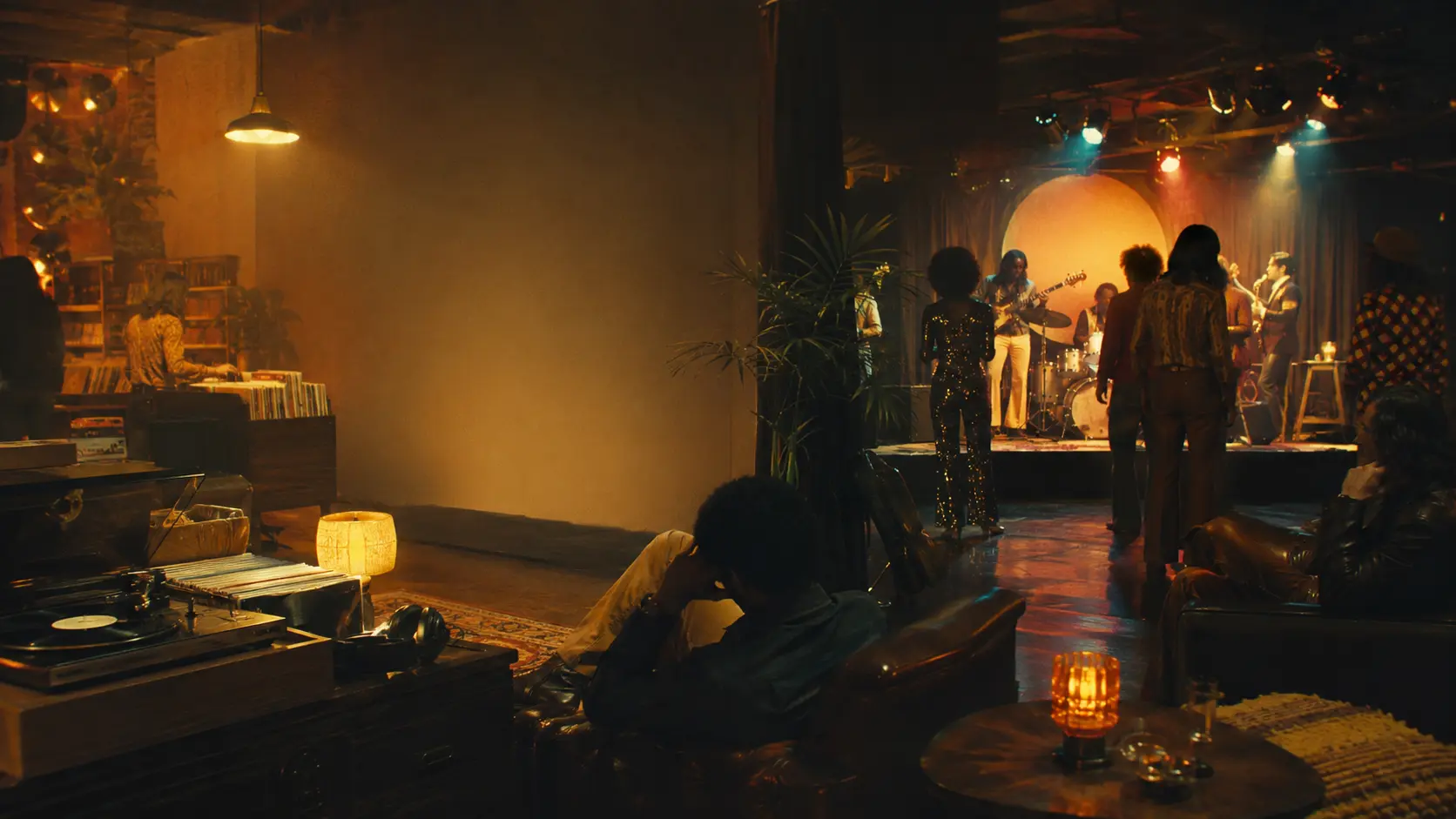
German experimental music and the wider electronic underground helped redefine rhythm, texture and the role of technology during the 1970s.
Krautrock
Can, Neu!, Faust and other groups rejected conventional Anglo-American rock formulas through repetition, improvisation and studio experimentation.
Electronic pioneers
Kraftwerk, Tangerine Dream and Jean-Michel Jarre demonstrated very different uses of synthesizers, sequencers and electronic rhythm—from minimalist machine pop to long atmospheric soundscapes.
Ambient thinking
Brian Eno helped formalize the idea of ambient music as sound designed to reward both close attention and background listening.
Why it matters
These experiments became essential foundations for synth-pop, post-punk, ambient, techno and much of modern electronic music.