The Supremes
Motown / Pop Soul / Girl Group
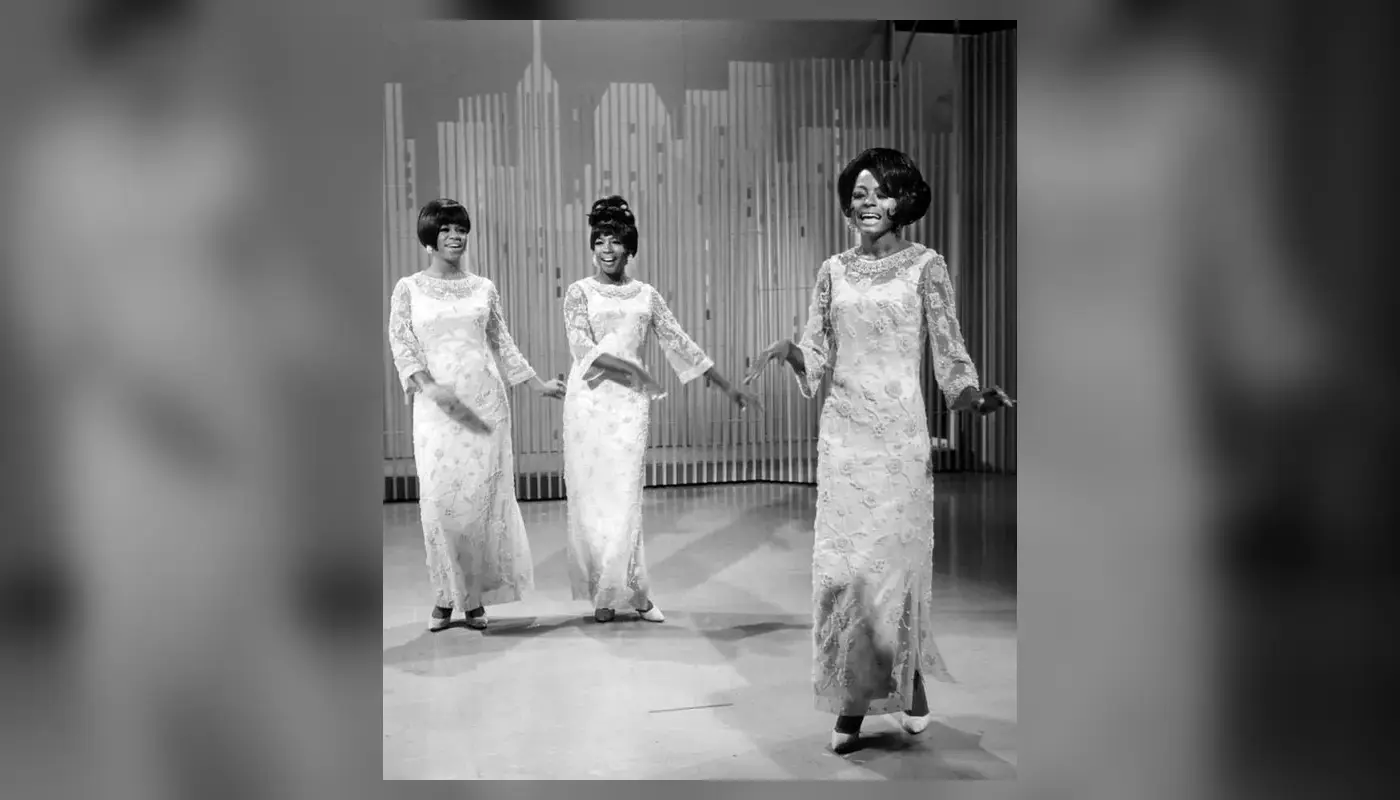
Diana Ross, Florence Ballard and Mary Wilson formed the Supremes, whose elegant Motown pop transformed the worldwide visibility of Black women performers.

The story through the 1960s
Diana Ross, Florence Ballard and Mary Wilson formed the Supremes, whose elegant Motown pop transformed the worldwide visibility of Black women performers.
The Primettes and the arrival at Motown
Formed in Detroit as a sister group to the Primes, the Primettes comprised Ballard, Wilson, Ross and, initially, Betty McGlown. Their persistent attempts to audition for Motown earned them experience inside the company through backing vocals, handclaps and similar supporting roles.
They signed as the Supremes in 1961. The first singles achieved little commercial success, and within the company they were jokingly called the “no-hit Supremes”. It was a long apprenticeship in stage presentation and studio discipline.
Holland–Dozier–Holland and the sequence of hits
“Where Did Our Love Go” became their first number one in 1964, followed by “Baby Love”, “Come See About Me”, “Stop! In the Name of Love” and “Back in My Arms Again”. Holland–Dozier–Holland’s short, rhythmic, melodic pop structures and Ross’s light but distinctive delivery formed a perfectly effective language for radio.
Choreography, specially designed stage clothes and television appearances strengthened their visual identity. The Supremes played a historic role in presenting Black women as elegant, central stars on mainstream American television.
Diana Ross at the centre and Florence Ballard
Motown chief Berry Gordy’s emphasis on Ross unsettled the balance within the group. Ballard’s powerful voice and role as a founder became increasingly overlooked. Health difficulties, a loss of confidence and company pressures contributed to her dismissal in 1967; Cindy Birdsong took her place.
The name changed to Diana Ross & the Supremes. Seen as preparation for Ross’s solo career, the decision also became the subject of lasting debate over the sidelining of Wilson’s and Ballard’s contributions.
The mature period and the parting
“You Keep Me Hangin’ On”, “Love Is Here and Now You’re Gone” and the psychedelic soul-influenced “Reflections” widened their sound. “Love Child” brought social stigma into mainstream pop.
In 1969, “Someday We’ll Be Together” became Ross’s final number one with the group. She began her solo career in 1970, while the Supremes continued with different line-ups.
The influence beyond the songs
Their achievements mattered beyond the charts, in representation, style and pop production. They joined the girl-group tradition to worldwide stardom and provided a fundamental model for later women’s groups.
The Motown system and visibility
The Supremes’ success emerged from the layered system at Hitsville U.S.A.: Holland–Dozier–Holland’s songs, the Funk Brothers’ rhythm tracks, Maxine Powell’s training in presentation and etiquette, choreography and meticulously prepared television costumes. Such professionalism could protect Black women entering discriminatory television and touring environments while also placing limits on them.
Ross’s light, conversational delivery, Ballard’s strong gospel-rooted voice and Wilson’s warm harmonies initially made a balanced trio. Production decisions favouring Ross altered that balance of power. The name Diana Ross and the Supremes made the tension between individual stardom and a group identity explicit.
Florence Ballard, expectations of women and the legacy
Ballard’s struggles with weight, mental health and discipline have often been presented simply as personal failings. Heavy touring, company control, unequal income and the experience of being pushed aside in a group she helped found make the picture more complicated. Her dismissal in 1967 shows the human cost behind Motown’s immaculate image.
By reaching white television audiences with an elegant presentation, the Supremes widened the boundaries of visibility during the civil rights era. Their staging, division of vocal roles and fashion also supplied a lasting model for later girl groups and women’s pop ensembles. Their success deserves to be measured through the worldwide redefinition of Black female stardom as well as the number of hits.
Selected recordings for exploring the decade
This chronological selection follows the career’s direction, changes in sound and major turning points across the decade. It is a listening route rather than a ranking of the best songs. Individual recording features will be linked as they become available.
Where Did Our Love Go
The simple, irresistible single that began their Motown hit sequence.
Baby Love
Carried the group into international pop stardom.
Stop! In the Name of Love
A classic combination of choreography and a memorable song hook.
You Can’t Hurry Love
A seamless meeting of gospel feeling and Motown rhythm.
You Keep Me Hangin’ On
A tougher pop-soul record, with sharp guitar and an urgent voice.
Reflections
Renewed the Motown sound with psychedelic effects.
Love Child
Made a social subject into a major pop hit.
Someday We’ll Be Together
The emotional farewell to the Diana Ross era.
Explore original Oldies Radyo designs
All the T-shirt, mug and wallpaper previews shown here come from Oldies Radyo’s Etsy listings.

1964 British Invasion Wallpaper
An original Oldies Radyo design bringing the London beat scene, young guitar bands and the energy of 1964 into the music room.
View on Etsy →
1968 Peace, Love & Groovy Wallpaper
An original Oldies Radyo design inspired by 1968, with flowers, peace signs, guitars and the period’s spirit of freedom.
View on Etsy →
Mods vs Rockers T-shirt
An original Oldies Radyo design recalling the famous 1960s rivalry between scooter and motorcycle youth cultures.
View on Etsy →- Rock & Roll Hall of Fame — The Supremes
- Motown Museum — Legacy
- Encyclopaedia Britannica — The Supremes
These articles were originally written in Turkish for Oldies Radyo through comparisons of international institutional sources and archives. This English edition preserves their scope and editorial approach.
Related 1960s artist features