Marvin Gaye
Motown / Soul / Pop
During the 1960s, Marvin Gaye developed from an elegant young Motown star into a more personal, vulnerable soul artist seeking control over his own work.

The story through the 1960s
During the 1960s, Marvin Gaye developed from an elegant young Motown star into a more personal, vulnerable soul artist seeking control over his own work.
Gospel roots and joining Motown
Raised in a strict religious household in Washington, D.C., Marvin Gay reached Detroit through doo-wop groups and his connection with Harvey Fuqua. At Motown he initially worked as a drummer and studio musician; he later added the “e” to his surname.
He first wanted to become a sophisticated singer of jazz standards in the mould of Nat King Cole. Berry Gordy directed him towards the young pop and R&B market instead. “Stubborn Kind of Fellow” and “Hitch Hike” were early successes in this new identity.
Motown stardom
“How Sweet It Is (To Be Loved by You)”, “I’ll Be Doggone” and “Ain’t That Peculiar” joined Gaye’s rhythmic but controlled delivery to the Funk Brothers’ studio discipline. His voice held the softness of a crooner as well as the fire of gospel.
Duets with Mary Wells, Kim Weston and, above all, Tammi Terrell brought Motown’s model of romantic dialogue to a peak. “Ain’t No Mountain High Enough” and “You’re All I Need to Get By” created a shared dramatic story through two independent voices.
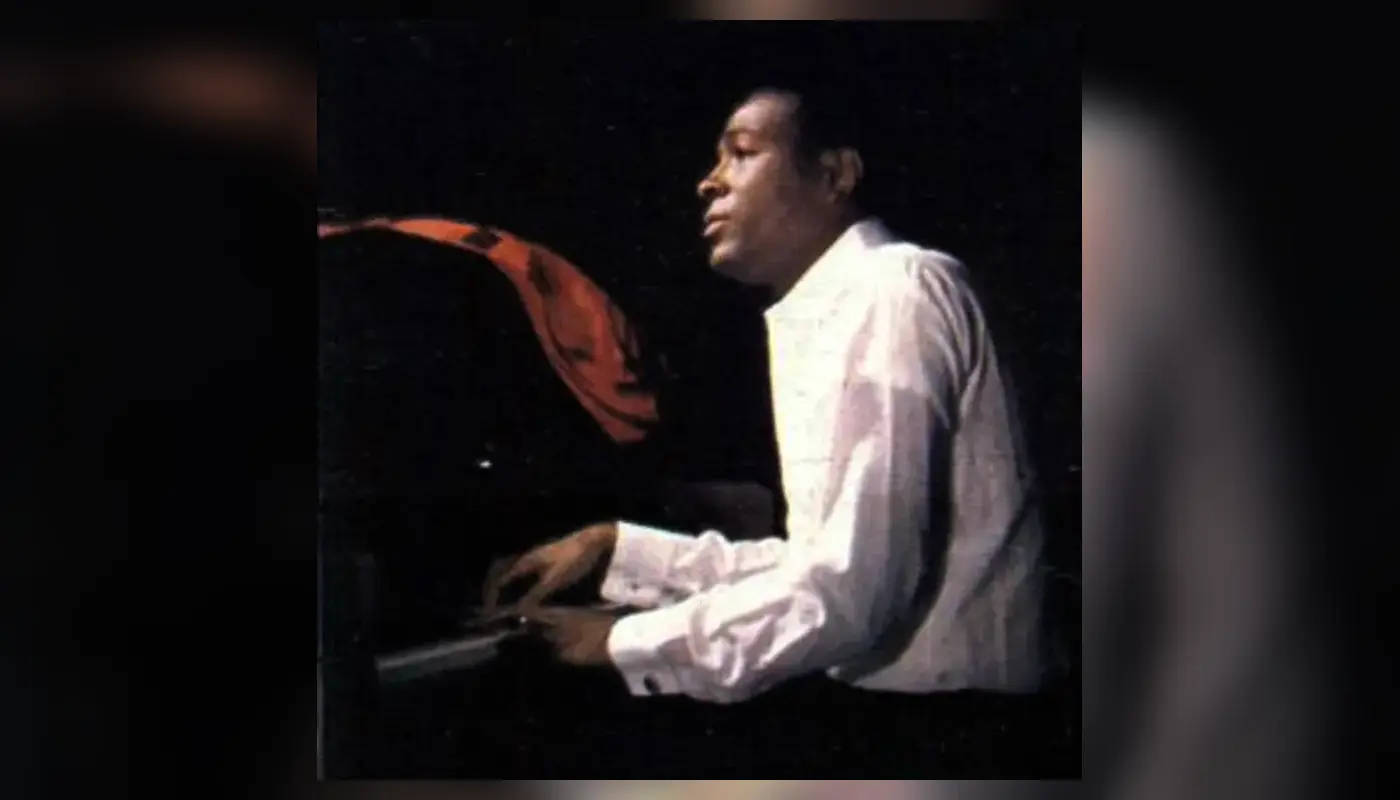
Marvin Gaye: stage presence through the years
Every image in this gallery shows the artist featured here. Pictures from different periods are placed together to illustrate changes across the career; no other performer is substituted.

Tammi Terrell and a personal turning point
Terrell’s collapse on stage in 1967 and treatment for a brain tumour deeply affected Gaye. Different accounts of the recording details emerged over the years, but her illness and death in 1970 intensified his depression.
Tensions with Motown management over artistic control were also growing. Gaye wanted to move beyond the role of a romantic hit singer, looking for more coherent works about war, city life and personal conflict.
I Heard It Through the Grapevine
Produced by Norman Whitfield, “I Heard It Through the Grapevine” became Gaye’s greatest success of the 1960s in 1968. Its dark arrangement, sense of paranoia and controlled tension revealed a more adult emotional world than his romantic image suggested.
The song’s success demonstrated that his dramatic vocal power could serve more experimental and personal productions. That direction prepared the ground for the major transformation of 1971.
The influence beyond the songs
For Gaye, the 1960s brought both stardom and a search for something further. Through duets, dance hits and dramatic ballads, he developed his vocal identity while moving towards a new role as an artist demanding control within the Motown system.
The tension between Motown stardom and artistic independence
Gaye entered Motown hoping to become an elegant crooner singing jazz standards; the company found a stronger market for him in rhythmic, romantic singles. “Hitch Hike”, “Can I Get a Witness” and “How Sweet It Is” joined gospel technique, dance rhythms and a smooth pop presentation. His background as a drummer could be heard in the flexible relationship between his vocal phrases and the beat.
His duets with Weston and particularly Terrell created the impression of a conversation unfolding in real time. Ashford & Simpson’s songs offered a form of romantic pop that was theatrical yet intimate. Terrell’s illness and collapse on stage in 1967 marked a deep break in Gaye’s personal and artistic world.
1968–69: looking inwards and asking new questions
Gladys Knight & the Pips had released “I Heard It Through the Grapevine” before Gaye’s version appeared. His darker, more controlled interpretation became a major success late in 1968. Whitfield’s tense arrangement amplified suspicion and paranoia through rhythm, revealing a singer capable of carrying complex feelings beyond his romantic persona.
His brother’s accounts of Vietnam, urban unrest, Terrell’s condition and conflicts with Motown’s production system pushed Gaye towards a more personal and socially engaged album. The full result would arrive in 1971, but its foundations were laid late in the 1960s. The decade therefore prepared his movement from stardom towards artistic autonomy.
Selected recordings for exploring the decade
This chronological selection follows the career’s direction, changes in sound and major turning points across the decade. It is a listening route rather than a ranking of the best songs. Individual recording features will be linked as they become available.
Stubborn Kind of Fellow
A forceful declaration of Gaye’s personality at Motown.
How Sweet It Is (To Be Loved by You)
A warm pop-soul classic with Holland–Dozier–Holland.
Ain’t That Peculiar
Joined a rhythmic arrangement to emotional contradiction.
Ain’t No Mountain High Enough
The major opening of the duet period with Tammi Terrell.
Your Precious Love
Demonstrated the romantic balance between the two voices.
You’re All I Need to Get By
An elegant duet masterpiece from Ashford & Simpson.
I Heard It Through the Grapevine
A dark, adult and dramatically charged Motown peak.
Too Busy Thinking About My Baby
Major pop success continuing at the end of the 1960s.
Explore original Oldies Radyo designs
All the T-shirt, mug and wallpaper previews shown here come from Oldies Radyo’s Etsy listings.

1964 British Invasion Wallpaper
An original Oldies Radyo design bringing the London beat scene, young guitar bands and the energy of 1964 into the music room.
View on Etsy →
1968 Peace, Love & Groovy Wallpaper
An original Oldies Radyo design inspired by 1968, with flowers, peace signs, guitars and the period’s spirit of freedom.
View on Etsy →
Mods vs Rockers T-shirt
An original Oldies Radyo design recalling the famous 1960s rivalry between scooter and motorcycle youth cultures.
View on Etsy →These articles were originally written in Turkish for Oldies Radyo through comparisons of international institutional sources and archives. This English edition preserves their scope and editorial approach.
Related 1960s artist features