Ray Charles
Soul / R&B / Country / Pop
Ray Charles carried the soul revolution of his Atlantic years into country, pop and large orchestras during the 1960s, challenging American music’s boundaries of genre and race.

The story through the 1960s
Ray Charles carried the soul revolution of his Atlantic years into country, pop and large orchestras during the 1960s, challenging American music’s boundaries of genre and race.
Explore the career in the 1950s
From Atlantic to ABC-Paramount
By the end of the 1950s, Charles had created a soul language joining gospel, blues and jazz. As records such as “What’d I Say” brought major success around 1959–60, ABC-Paramount offered an unusually strong agreement involving higher payment and ownership of his masters.
The new label period widened his choices in repertoire and production. “Georgia on My Mind” became a major pop success in 1960, redefining Hoagy Carmichael’s standard through a deeply personal, orchestral interpretation.
Hit the Road Jack and the centre of pop
The brief arrangement and call-and-response tension with Margie Hendricks made “Hit the Road Jack” a major hit in 1961. Charles used the Raelettes as a dramatic answering voice on stage and on record.
“Unchain My Heart” and “You Don’t Know Me” joined R&B power to large-scale pop orchestration. Refusing pity based on his blindness, Charles developed an independent identity as a musician who led his own band and participated in business decisions.
Ray Charles: stage presence through the years
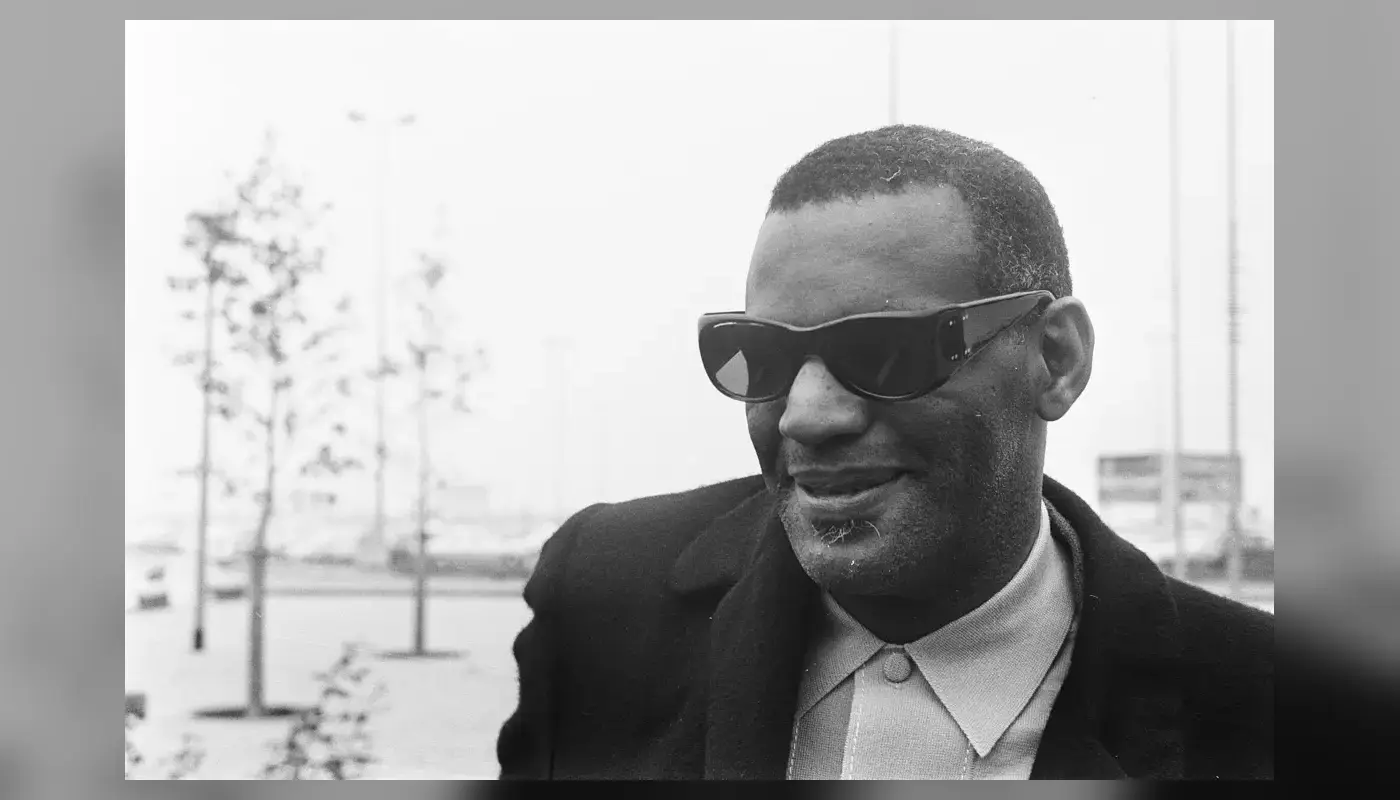
All images in this gallery show the artist featured here. Different periods are placed alongside one another to illustrate changes across the career.

Modern Sounds and the country revolution
Modern Sounds in Country and Western Music interpreted the country songs Charles had heard since childhood through soul, jazz and orchestral language. Although the label considered the project risky, the album achieved extraordinary success.
“I Can’t Stop Loving You” carried country material beyond racially divided radio markets. The album offered powerful musical evidence that country belonged to more than a white Southern identity.
Addiction, arrest and recovery
Long-standing heroin addiction threatened his career through arrests and health problems in the middle of the 1960s. Treatment and giving up the drug allowed him to maintain his touring and recording life.
Chart success became less consistent in the decade’s second half, but his concert strength and authority across genres continued. He also worked in production and artist development through his own Tangerine Records.
The influence beyond the songs
The decade demonstrated how a soul artist could exercise equal authority in country, pop, jazz and standards. Charles saw musical possibilities that extended beyond the market’s categories.
ABC-Paramount and artistic bargaining power
When Charles moved from Atlantic to ABC-Paramount late in 1959, he secured higher payment alongside unusually strong provisions for master ownership and artistic control. The deal held historical significance for a Black performer’s bargaining power in the record industry. He could now plan orchestral pop, jazz and country projects as well as R&B singles.
The Modern Sounds recordings did something more complicated than turn country songs into soul covers. Gospel phrasing, big-band arrangements, strings and answering voices reshaped the emotional centre of the material. The Raelettes’ role is particularly clear in the second volume. The project challenged the racial divisions of radio and record shops, allowing country compositions to be heard anew as part of a national pop repertoire.
Addiction, the law and continued productivity
Charles’ heroin use brought arrests and health problems during the 1960s. Seeking treatment and giving up the addiction in 1965 became an important personal turning point. Although public coverage often treated the episode as a moral scandal, it also belongs within a struggle shaped by constant touring, discrimination and a pattern of addiction that began when he was young.
Even as chart success fluctuated, Charles kept extending his repertoire. The impact of “Georgia on My Mind”, which later became an official state song, the crossover success of “I Can’t Stop Loving You” and country interpretations such as “Crying Time” made him an independent musician reshaping the American songbook as well as an earlier R&B pioneer.
Selected recordings for exploring the decade
This chronological selection follows the career’s direction, changes in sound and major turning points across the decade. It is a listening route rather than a ranking of the best songs. Individual recording features will be linked as they become available.
Georgia on My Mind
Made a standard into a deeply personal song of place and life.
Hit the Road Jack
A brief, sharp pop-R&B classic with Raelettes call-and-response.
Unchain My Heart
A powerful meeting of orchestral arranging and soul singing.
I Can’t Stop Loving You
Carried a country song to worldwide pop success.
You Don’t Know Me
Demonstrated the depth of his interpretation of adult ballads.
Busted
Handled a story of poverty through country-soul.
Crying Time
A country-soul interpretation of Buck Owens’ song.
Eleanor Rigby
Revisited the Beatles’ repertoire through gospel and soul.
Explore original Oldies Radyo designs
All the T-shirt, mug and wallpaper previews shown here come from Oldies Radyo’s Etsy listings.

1964 British Invasion Wallpaper
An original Oldies Radyo design bringing the London beat scene, young guitar bands and the energy of 1964 into the music room.
View on Etsy →
1968 Peace, Love & Groovy Wallpaper
An original Oldies Radyo design inspired by 1968, with flowers, peace signs, guitars and the period’s spirit of freedom.
View on Etsy →
Mods vs Rockers T-shirt
An original Oldies Radyo design recalling the famous 1960s rivalry between scooter and motorcycle youth cultures.
View on Etsy →These articles were originally written in Turkish for Oldies Radyo through comparisons of international institutional sources and archives. This English edition preserves their scope and editorial approach.
Related 1960s features