Dean Martin
Traditional Pop / Country Pop / Television
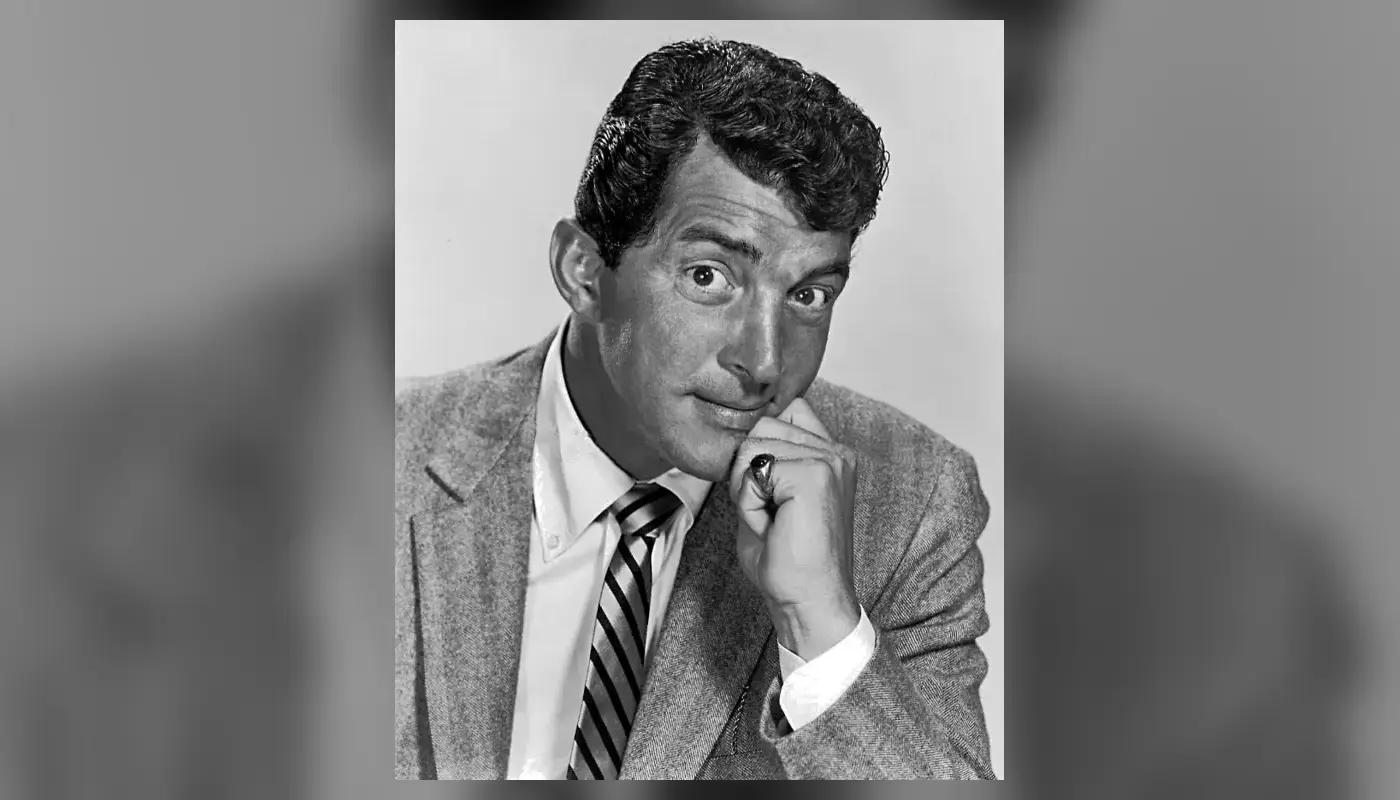
After his partnership with Jerry Lewis, Dean Martin enjoyed the strongest period of his independent stardom in the 1960s through the Rat Pack, Reprise recordings, a major television show and “Everybody Loves Somebody”.

The story through the 1960s
After his partnership with Jerry Lewis, Dean Martin enjoyed the strongest period of his independent stardom in the 1960s through the Rat Pack, Reprise recordings, a major television show and “Everybody Loves Somebody”.
Explore the career in the 1950s
Establishing an independent career
When Martin and Lewis separated in 1956, many observers doubted Martin could succeed alone. Entering the 1960s, he disproved those predictions by sustaining distinct careers in films, nightclubs and recording.
His relaxed singing could sometimes look careless, but Martin possessed strong timing, tone and microphone technique. A conversational approach to Italian-American songs, swing and country-influenced material became his defining quality.
The Rat Pack and films
Rat Pack performances with Sinatra and Davis emphasised Martin’s comedy and natural ease. Ocean’s 11, Sergeants 3 and Robin and the 7 Hoods transferred the group’s Las Vegas entertainment identity to film.
Martin also maintained his box-office presence through the Matt Helm spy films and westerns. He became a dependable film star across different genres as well as a singer.
Dean Martin: stage presence through the years
All images in this gallery show the artist featured here. Different periods are placed alongside one another to illustrate changes across the career.

Everybody Loves Somebody and the Beatles era
In 1964, “Everybody Loves Somebody” displaced the Beatles’ “A Hard Day’s Night” at the top of the American chart, giving Martin an unexpected major comeback. Recorded quickly at pianist Ken Lane’s suggestion, its string arrangement and warm vocal appealed to a broad adult audience.
The success showed that traditional pop singers retained a place in the rock era. Country-pop and easy-listening material made Martin one of Reprise’s biggest commercial performers.
The Dean Martin Show
Beginning in 1965, The Dean Martin Show built itself around his apparently unrehearsed television ease. Behind the image stood an accomplished production team, guest stars, orchestration and carefully judged comic timing.
Weekly television appearances brought him into family living rooms while a new generation of musicians rose. The programme ran for years, establishing him as a contemporary television star as well as a crooner associated with an earlier era.
Private life and the legacy
Despite a busy working routine, Martin kept a degree of separation between his private life and the public role of a carefree drinker. Family relationships and marriages attracted press attention, but on stage he remained a controlled figure who avoided personal disclosures.
Martin’s success demonstrates that 1960s music history reaches beyond youth rock. Television, Las Vegas, country-pop and traditional singing formed substantial markets at the same time.
Reprise, country-pop and the recording method
At Sinatra’s Reprise label, Martin followed an intensive album and single schedule. Producer Jimmy Bowen joined his easy voice to Nashville songs, contemporary pop compositions and broad string arrangements. Martin often learned songs rapidly and completed them in few takes. This economy came from years of live experience rather than a lack of preparation.
The move towards country material involved more than commercial fashion. His conversational phrasing gave narrative songs a natural warmth. “Houston”, “The Door Is Still Open to My Heart” and “Little Ole Wine Drinker, Me” demonstrate the importance of the audience between country and adult pop during the 1960s.
The television persona and the professionalism behind it
The central joke of The Dean Martin Show was a host who seemed unprepared and appeared to improvise everything. He often avoided lengthy rehearsals and recorded his own segments quickly, but the structure involving the orchestra, dancers, writers and guests was highly professional. His calm gave reassuring focus to the era’s noisy variety television.
The public image of a drunk was largely a stage persona; the drink in his hand was often non-alcoholic. It offered audiences a model of adult masculinity that appeared untroubled by rules without threatening anyone. His real-life reserve and introspection suggest a more controlled personality behind the effortless presentation.
Selected recordings for exploring the decade
This chronological selection follows the career’s direction, changes in sound and major turning points across the decade. It is a listening route rather than a ranking of the best songs. Individual recording features will be linked as they become available.
Ain’t That a Kick in the Head
A recording that sums up Martin’s swing, humour and film stardom.
Houston
Country storytelling carried by an easy pop interpretation.
Everybody Loves Somebody
An unexpected number one and career revival during the Beatles era.
The Door Is Still Open to My Heart
A major success along the country-pop path.
I Will
An example of Martin’s warm, restrained ballad singing.
Little Ole Wine Drinker, Me
Joined the public drinking image to country-pop humour.
Gentle on My Mind
A gentle, pop-centred interpretation of John Hartford’s song.
Explore original Oldies Radyo designs
All the T-shirt, mug and wallpaper previews shown here come from Oldies Radyo’s Etsy listings.

1964 British Invasion Wallpaper
An original Oldies Radyo design bringing the London beat scene, young guitar bands and the energy of 1964 into the music room.
View on Etsy →
1968 Peace, Love & Groovy Wallpaper
An original Oldies Radyo design inspired by 1968, with flowers, peace signs, guitars and the period’s spirit of freedom.
View on Etsy →
Mods vs Rockers T-shirt
An original Oldies Radyo design recalling the famous 1960s rivalry between scooter and motorcycle youth cultures.
View on Etsy →These articles were originally written in Turkish for Oldies Radyo through comparisons of international institutional sources and archives. This English edition preserves their scope and editorial approach.
Related 1960s features