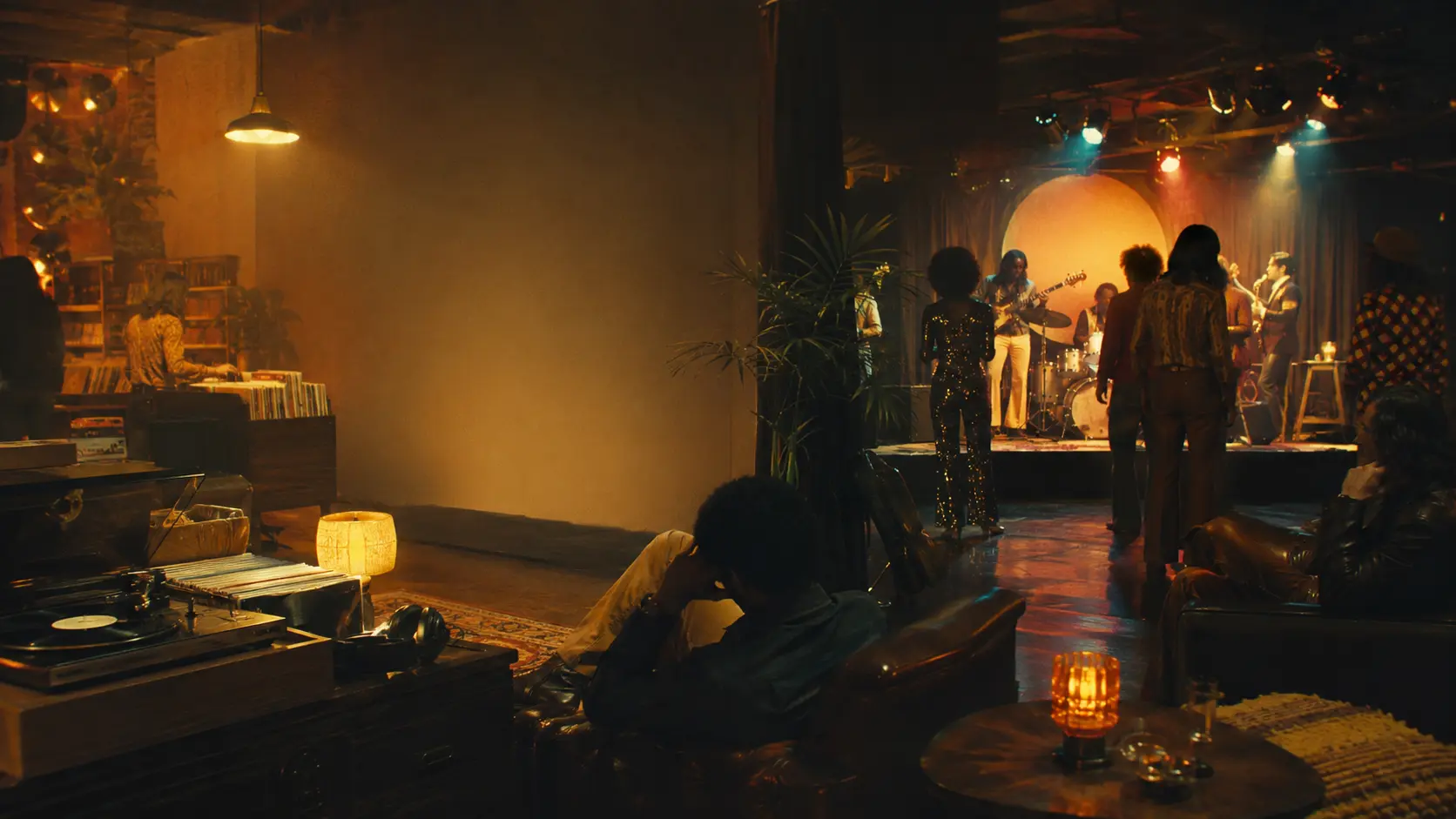
Disco backlash, new wave momentum and the 1980s approaching
1979 closed the decade with popular music in transition. Disco remained commercially important but faced a sharp backlash in the United States, while new wave, post-punk, synthesizers and electronic production increasingly pointed toward the sound of the 1980s.
Disco changes rather than disappears
The anti-disco reaction was culturally loud, but dance production did not vanish. Chic, Donna Summer and club-oriented producers had already changed bass, rhythm and studio arrangement in ways pop and R&B would continue using.
New wave becomes a real mainstream alternative
The Police, Blondie, Talking Heads and other acts brought punk’s energy into more polished, rhythmically varied and radio-friendly forms.
Electronic music moves closer to pop
Kraftwerk, Gary Numan and related electronic approaches made synthesizers, sequencers and machine rhythm increasingly central to the coming decade.
Why 1979 matters
The year did not simply end the 1970s. It rearranged the decade’s innovations—disco rhythm, punk economy, electronic technology and art-rock ideas—into the basic vocabulary of 1980s pop.