Mod, Beat and Blue-eyed Soul
London, Manchester and Sheffield

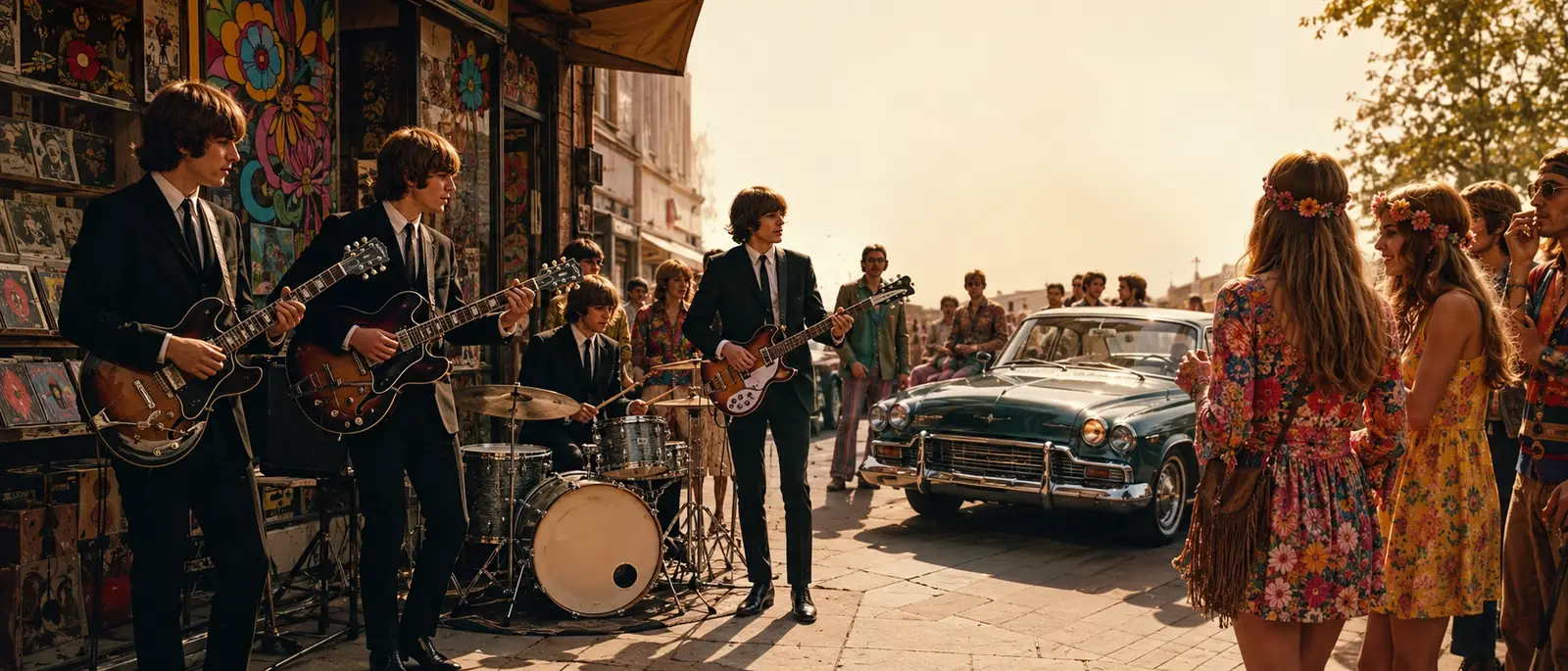
Mod culture brought music, scooters, fashion, nightclubs and a modern urban identity into a single way of life. The Who expressed youthful anger through volume and destructive stage energy, while the Small Faces joined soul, R&B and British pop in a warmer club sound. The Spencer Davis Group and Steve Winwood interpreted Black American soul singing within a British beat-band format. Solo performers such as Dusty Springfield and Tom Jones offered other strong examples of blue-eyed soul. The music did more than copy American soul recordings: it acquired new meanings within Britain’s geography of class, fashion and youth.
Artists from the Mod, Beat and Blue-eyed Soul scene
Explore the different sides of this music alongside archive images of its artists and bands.


The rhythm of mod culture
London mod culture developed through sharp suits, scooters, nightclubs and a love of American soul and modern jazz. Music became a complete identity involving clothes, dance and city life. While the Who expressed youthful anger through loudness and wrecked equipment, the Small Faces spoke from inside the mod world through warmer soul vocals and Hammond organ.
The era and culture around the music
The music was shaped by more than recordings: venues, technology, fashion and ways of listening all helped define the sound of the period.


What blue-eyed soul means
The term described white performers interpreting the language of Black American soul and R&B. Springfield created a powerful personal style through vocal phrasing and studio choices rather than imitation. Winwood drew attention in Spencer Davis Group recordings through a gospel-influenced voice that sounded older than his years. Jones and Chris Farlowe also brought powerful vocals into the pop market.
Pop, subculture and class
The desire for economic advancement, stylish appearance and weekend freedom mattered within working-class mod youth. In the second half of the 1960s, parts of the scene moved towards psychedelia, heavier rock or Northern Soul culture. Its lasting legacy appears through the connected worlds of style, dance, graphic design and youth subcultures as well as music.
Fashion, scooters and class identity
Mod culture extended beyond records. Italian-cut suits, parkas, Vespa and Lambretta scooters, amphetamines used to keep dancing through the night and imported soul singles formed part of young working-class Britain’s effort to create its own elegance. The Small Faces and the Who carried that energy onto the stage, while collectors circulated Motown, Stax and ska records. Fashion and consumption became forms of class visibility and belonging rather than merely decoration.
The limits of white soul interpretation
Springfield, Winwood, Eric Burdon and Jones drew strongly on Black gospel and soul techniques. Although “blue-eyed soul” was a useful marketing label, it could obscure the music’s sources. At its best, the voice was reshaped through personal experience: Springfield’s vulnerable control, Winwood’s unusually mature gospel tone or Burdon’s tough northern English accent. These recordings also guided British listeners towards the original Motown, Atlantic and Stax performers.
The key artists behind this sound
Explore original Oldies Radyo designs
All the T-shirt, mug and wallpaper previews shown here come from Oldies Radyo’s Etsy listings.

1964 British Invasion Wallpaper
An original Oldies Radyo design bringing the London beat scene, young guitar bands and the energy of 1964 into the music room.
View on Etsy →
1968 Peace, Love & Groovy Wallpaper
An original Oldies Radyo design inspired by 1968, with flowers, peace signs, guitars and the period’s spirit of freedom.
View on Etsy →
Mods vs Rockers T-shirt
An original Oldies Radyo design recalling the famous 1960s rivalry between scooter and motorcycle youth cultures.
View on Etsy →Related 1960s features