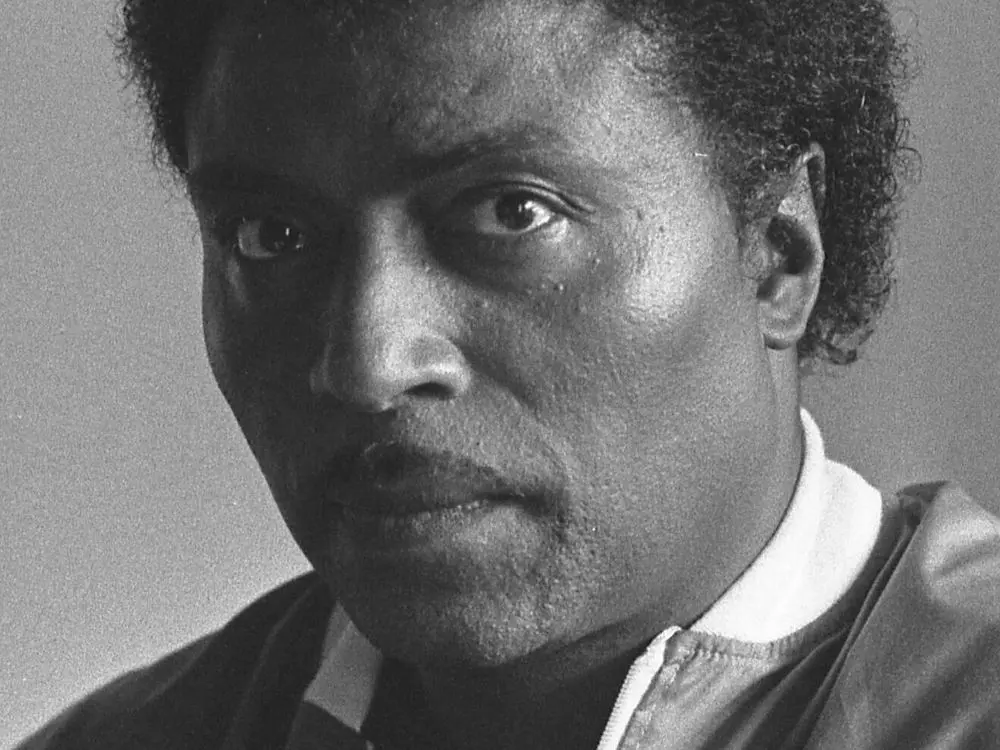
Little Richard
Rock ’n’ Roll / Gospel

With thunderous piano, a voice rising into screams and boundless stage energy, Little Richard became one of the 1950s’ most disruptive figures. He brought gospel’s intense emotion and call-and-response structures into rock ’n’ roll’s explosive rhythm.
Little Richard’s influence reaches beyond his hit recordings to the possibilities he opened for how a rock star could look and behave. His flamboyant personality, theatricality and unruly energy shaped later rock, soul and glam culture.
Where did the sound come from?
Richard Wayne Penniman grew up in a large, religious family in Macon, Georgia. Pentecostal church traditions, gospel soloists’ cries and the theatrical language of travelling shows came together early in his personality. Sister Rosetta Tharpe inviting him on stage as a teenager was one of his first powerful encounters with professional music.
His first records stayed within blues and R&B conventions. The breakthrough came during a 1955 Specialty Records session in New Orleans. On a break, producer Bumps Blackwell found the energy he wanted in the club song “Tutti Frutti,” which Richard performed at the piano. The lyrics were reshaped for radio, but the performance’s fire remained.
The years that changed the course
“Tutti Frutti,” “Long Tall Sally,” “Rip It Up,” “Lucille,” “Good Golly, Miss Molly” and “Keep A-Knockin’” followed in quick succession. New Orleans studio musicians, particularly drummer Earl Palmer and saxophonist Lee Allen, were crucial to the records’ force. Richard’s piano attacks worked as part of the rhythm section, while his voice pushed at the recording’s limits.
In 1957, he said he had experienced a religious crisis while touring and left rock ’n’ roll for gospel, bringing the first period to an abrupt close. The decision interrupted his commercial momentum, but those few years of recordings had already become foundational works of the genre.
What made the sound instantly recognisable?
Little Richard’s voice joined a gospel preacher’s mounting fervour to blues shouting and rhythm and blues’ dance pulse. The famous nonsense opening of “Tutti Frutti” creates a physical explosion more than a literal meaning. Falsetto leaps, screams and rhythmic accents are inseparable from the melody.
The pompadour, make-up, bright clothes and theatrical identity that challenged gender conventions were radical in the conservative 1950s. They opened the way for much of the visual daring later associated with soul, glam rock, funk and pop stardom.
The world behind the stage
White artists’ softer covers carrying Little Richard’s songs into the pop market reveal the decade’s racial music economy. The raw force of the original recordings left a lasting mark on young listeners and musicians.
His influence, stretching from Paul McCartney and James Brown to Otis Redding, David Bowie and Prince, lies in the idea of the stage as a space of freedom, as well as in vocal technique.
Turning points
The 1955 New Orleans sessions for Specialty Records transformed Little Richard’s career. The studio reshaping of “Tutti Frutti,” followed by “Long Tall Sally,” “Rip It Up,” “Ready Teddy” and “Lucille,” made him one of rock ’n’ roll’s most recognisable voices within a few years. The rise rested on his make-up, towering hair, brilliant clothes and convention-challenging stage presence as well as powerful hits. His abrupt departure for religious life in 1957 kept that first period short, but it left an extraordinarily concentrated legacy for subsequent decades of stage performance.
Inside the studio
Richard Penniman’s recorded sound was built with outstanding New Orleans R&B musicians. Earl Palmer’s drums, Lee Allen’s tenor saxophone, Alvin Tyler’s baritone saxophone and Richard’s boogie-based piano turned each record into a small explosion. The vocal screams were extensions of gospel preaching, sacred call-and-response and blues shouting under tight control. Specialty’s Art Rupe and arranger Bumps Blackwell compressed his stage energy into the two- or three-minute 45 rpm single. For all its ferocity, the result was highly organised, with carefully placed pauses and surges.
Who carried the influence forward?
Little Richard showed that sound and image could not be treated separately in rock. James Brown, Otis Redding, the Beatles, the Rolling Stones, David Bowie, Prince and many others drew on his vocal attack, flamboyant identity or freedom on stage. A Black Southerner who openly defied prevailing norms entering mainstream culture was transformative in itself. His repeated insistence that his contribution had long been underestimated also kept him central to debates about race, royalties and visibility in rock history.
A listening guide to the 1950s
This is a listening guide rather than a greatest-hits ranking, with starting points chosen to trace the artist’s development, range and place in music history across the decade.
Tutti Frutti
A founding record in which piano, voice and rhythm explode together.
Long Tall Sally
A masterful combination of speed, densely packed lyrics and vocal control.
Rip It Up
A celebration of teenage weekend freedom, with a powerful backbeat.
Lucille
Its heavier riff and dramatic vocal call point towards later hard rock.
Good Golly, Miss Molly
A hit that brings Little Richard’s stage energy directly into the studio.
The legacy in music history
He expanded rock ’n’ roll’s possibilities through sound, image and courage on stage.
The identity Little Richard established in the 1950s lived on through later reinterpretations of his repertoire, imitations of his stage approach and direct influences on musicians. Oldies Radyo approaches him here as a creative participant in the transformation of popular music, as well as a familiar figure from its past.
- Rock & Roll Hall of Fame – Little Richard
- Smithsonian – African American Music
- Art Rupe / Specialty Records – Rock Hall
The original Oldies Radyo feature was researched and written by comparing international institutional sources and archives. This English translation retains its source references.