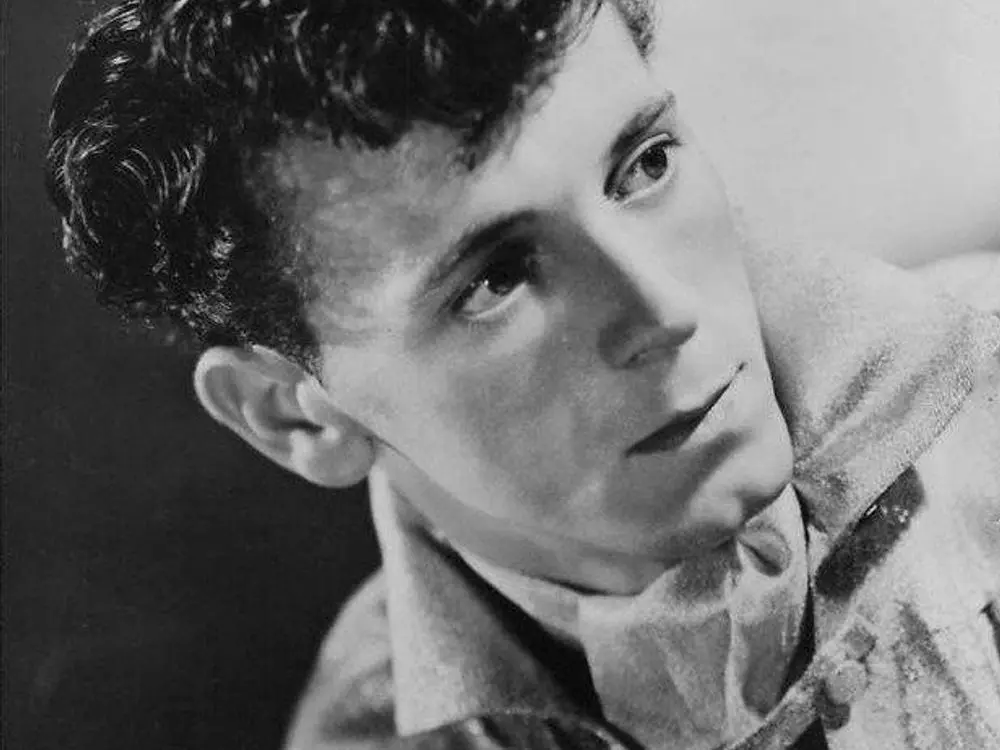
Gene Vincent
Rockabilly

Gene Vincent’s fragile yet forceful voice and the Blue Caps’ sharply etched guitars represented rockabilly’s darker, rebellious side.
“Be-Bop-A-Lula” is one of the most enduring records of the 1956 rock explosion. Vincent’s stage image and leather clothes helped shape the imagery of later rock stars.
Where did the sound come from?
Vincent Eugene Craddock grew up in Norfolk, Virginia, listening to country radio, gospel and R&B. He joined the Navy, but a serious motorcycle accident left permanent damage to his leg and ended his military career. During his recovery, he devoted more attention to guitar and songwriting.
In 1956, he began working with local radio personality Sheriff Tex Davis. A demo of “Be-Bop-A-Lula” caught Capitol Records’ attention, and the Nashville recording made with his band, the Blue Caps, quickly became a major success.
The years that changed the course
“Race with the Devil”, “Bluejean Bop”, “Lotta Lovin’” and “Dance to the Bop” followed. Television appearances and films such as The Girl Can’t Help It helped Vincent and the Blue Caps strengthen rockabilly’s international image.
The initial breakthrough did not sustain itself at the same level. Line-up changes, health problems and label pressures made his career difficult, but a devoted audience developed, particularly in Britain and Europe.
What made the sound instantly recognisable?
Cliff Gallup’s fast, clean and jazz-informed guitar solos are central to the Blue Caps’ sound. Dickie Harrell’s drumming, Jack Neal’s bass and vocal responses gave the small band remarkable momentum. Vincent’s voice holds a fragile tension, capable of moving from a whisper to a scream.
Black leather clothes and the severe stance shaped by his injured leg influenced the image of later rock stars. The music’s sensitivity coexisted with a visual sense of danger.
The world behind the stage
Vincent shows how rockabilly developed distinctive forms in regional scenes such as Virginia as well as Memphis. The Blue Caps’ ensemble playing ranks among the genre’s strongest displays of instrumental skill.
Turning points
After leaving the Navy following his motorcycle accident, Vincent began singing country around Norfolk. Capitol’s release of “Be-Bop-A-Lula” brought a rapid breakthrough in 1956. With the Blue Caps, he created one of rockabilly’s most charismatic images through television and film appearances, black leather, distinctive stage movements and a forceful band sound. “Race with the Devil”, “Bluejean Bop” and “Lotta Lovin’” continued the momentum. Pain in his damaged leg, relentless touring and changing personnel made his career harder; as American interest waned, he acquired a strong cult following in Europe.
Inside the studio
Gallup’s swift, clean solos define the Blue Caps’ early recordings. He fitted country technique and jazz fluency into brief rockabilly passages, while Harrell’s drums and Neal’s bass gave the records their punch. Vincent moves from whispered, vulnerable verses to near-shouted peaks. Capitol’s production is more polished than Sun’s rough simplicity, but preserves the band’s live tension. The spaces in “Be-Bop-A-Lula” intensify the voice’s sexual charge and sense of menace.
Who carried the influence forward?
Particularly in Britain, Vincent became a foundational influence on rockabilly and the image of the leather-clad rock star. Ian Dury, Jeff Beck and later rockabilly revival performers kept his repertoire alive. The car accident during his 1960 British tour with Eddie Cochran worsened Vincent’s physical and psychological difficulties; Cochran’s death joined their stories in tragedy. Vincent’s legacy rests on the fragile sense of danger he created in recordings and performance, despite a troubled career.
A listening guide to the 1950s
This is a listening route, not a ranking of the best songs. These starting points trace the artist’s development across the decade, different sides of the music and its place in history.
Be-Bop-A-Lula
A rockabilly classic built from a whispered vocal and echoing guitar.
Race with the Devil
A fierce performance centred on Cliff Gallup’s guitar.
Bluejean Bop
Teenage fashion and dancing meet a fast rhythm.
Lotta Lovin’
A more melodic Blue Caps sound, still charged with tension.
Dance to the Bop
A direct expression of Vincent’s stage energy.
The legacy in music history
He intensified rockabilly’s rebellious image and emotional force.
Gene Vincent’s musical identity took shape in the 1950s and continued to resonate in later decades through fresh interpretations of the repertoire, echoes of the stage approach and direct influence on other musicians. In this dossier, Oldies Radyo considers the artist as a creative force in the evolution of popular music, alongside the nostalgic appeal.
- Rock & Roll Hall of Fame – Gene Vincent
- Britannica – Gene Vincent
- Library of Congress – Gene Vincent search
These articles were originally written in Turkish for Oldies Radyo through comparisons of international institutional sources and archives. This English edition preserves their scope and editorial approach.
Related 1950s artist features