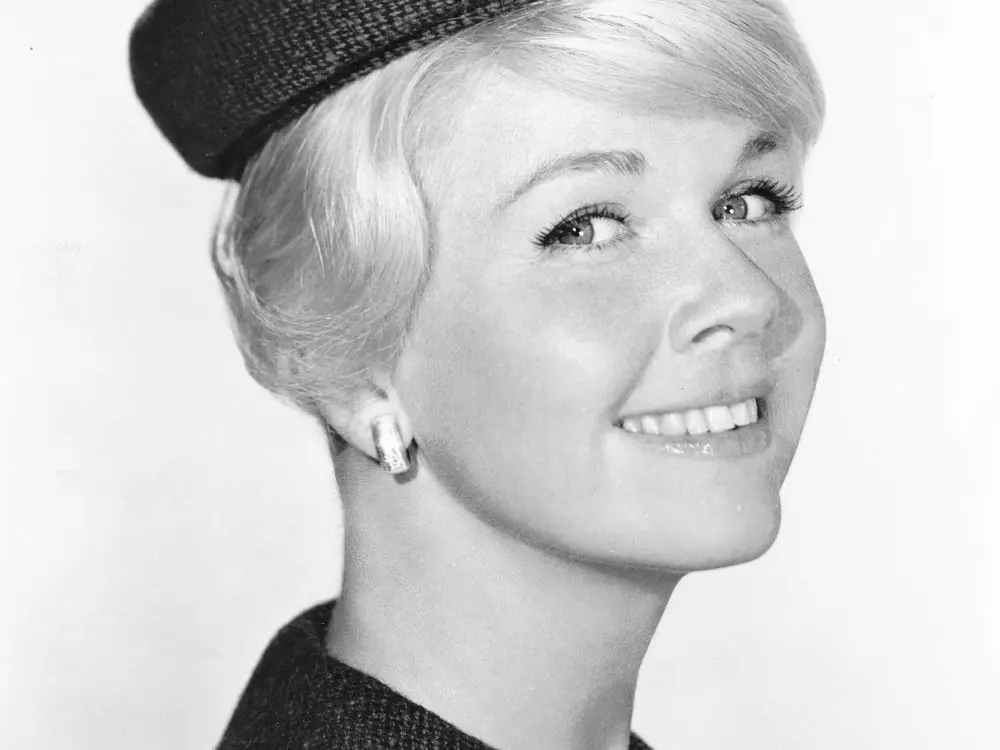
Doris Day
Traditional Pop

Doris Day’s clear voice, film stardom and approachable personality joined music and cinema within the popular culture of the 1950s.
From romantic ballads to the international standard “Whatever Will Be, Will Be (Que Sera, Sera)”, her repertoire represented an optimistic face of mainstream entertainment.
Where did the sound come from?
Doris Mary Ann Kappelhoff hoped to become a dancer in Cincinnati before a car accident turned her towards singing. Listening to radio and taking vocal lessons helped develop the voice that became nationally known with Les Brown, after work with the Barney Rapp and Bob Crosby orchestras. “Sentimental Journey”, released in 1945, became one of the signature songs of the generation emerging from the war.
Her move into films with Romance on the High Seas in 1948 laid the groundwork for a 1950s career joining records, radio and Hollywood musicals within a single star identity.
The years that changed the course
“Secret Love”, from the 1953 film Calamity Jane, became a major hit and won the Oscar at the 1954 ceremony. “Whatever Will Be, Will Be (Que Sera, Sera)”, sung for Alfred Hitchcock’s The Man Who Knew Too Much, reached audiences around the world in 1956 and became her enduring signature song.
Day maintained a demanding film career across romantic comedy, musicals and drama. The wholesome, optimistic image of her screen roles sometimes obscured the jazz timing and emotional subtlety of her singing.
What made the sound instantly recognisable?
Her voice combined precise diction, natural breath and a conversational warmth. Even with a large orchestra, she retained an intimate relationship with the microphone. Buoyant numbers revealed rhythmic flexibility; ballads allowed vulnerability without a loss of control.
Her big-band experience kept a sense of swing alive beneath the pop repertoire. Apparently simple phrases contained subtle jazz techniques, including slightly delayed notes and shifts in the weight given to words.
The world behind the stage
Day demonstrates the way singing and film stardom could strengthen one another in the 1950s. As rock ’n’ roll transformed the youth market, adult and family-oriented pop culture remained strong through versatile performers like her.
Turning points
After the success of “Sentimental Journey” with Les Brown’s orchestra, Day pursued solo recording and Hollywood together. Calamity Jane, Love Me or Leave Me, The Man Who Knew Too Much and romantic comedies made her one of the most recognisable figures in films and records during the 1950s. The Oscar-winning songs “Secret Love” and “Que Sera, Sera” became established parts of her repertoire. Her cheerful, wholesome American public image was powerful, while dramatic roles and blues- and jazz-based recordings revealed a much wider range.
Inside the studio
Her singing rested on the breath control, clear diction and natural swing developed in the big-band years. Close use of the microphone created warmth without a rise in volume. In “Secret Love”, she gave strength to the ascending melody; in smaller jazz settings, she could set phrases behind the beat. Film recordings had to serve the character on screen, yet she often made the songs personal enough to live independently of the film.
Who carried the influence forward?
For years, Day was identified principally with an optimistic, conservative Hollywood image, a view that underestimates her jazz-pop singing and variety as an actress. She was an ideal 1950s star of the growing relationship between cinema, radio, records and television. Later animal-welfare work added another dimension to her public life. Her recordings show how technical mastery can be offered with modesty and accessibility.
A listening guide to the 1950s
This is a listening route, not a ranking of the best songs. These starting points trace the artist’s development across the decade, different sides of the music and its place in history.
A Guy Is a Guy
Light humour and clear pop singing.
Secret Love
A film song made into a personal, expansive ballad.
If I Give My Heart to You
A measured example of romantic pop interpretation.
Que Sera, Sera
Cinema, family memory and an international pop standard.
The legacy in music history
She brought film stardom and pop singing together with apparent ease.
Doris Day’s musical identity took shape in the 1950s and continued to resonate in later decades through fresh interpretations of the repertoire, echoes of the stage approach and direct influence on other musicians. In this dossier, Oldies Radyo considers the artist as a creative force in the evolution of popular music, alongside the nostalgic appeal.
These articles were originally written in Turkish for Oldies Radyo through comparisons of international institutional sources and archives. This English edition preserves their scope and editorial approach.
Related 1950s artist features