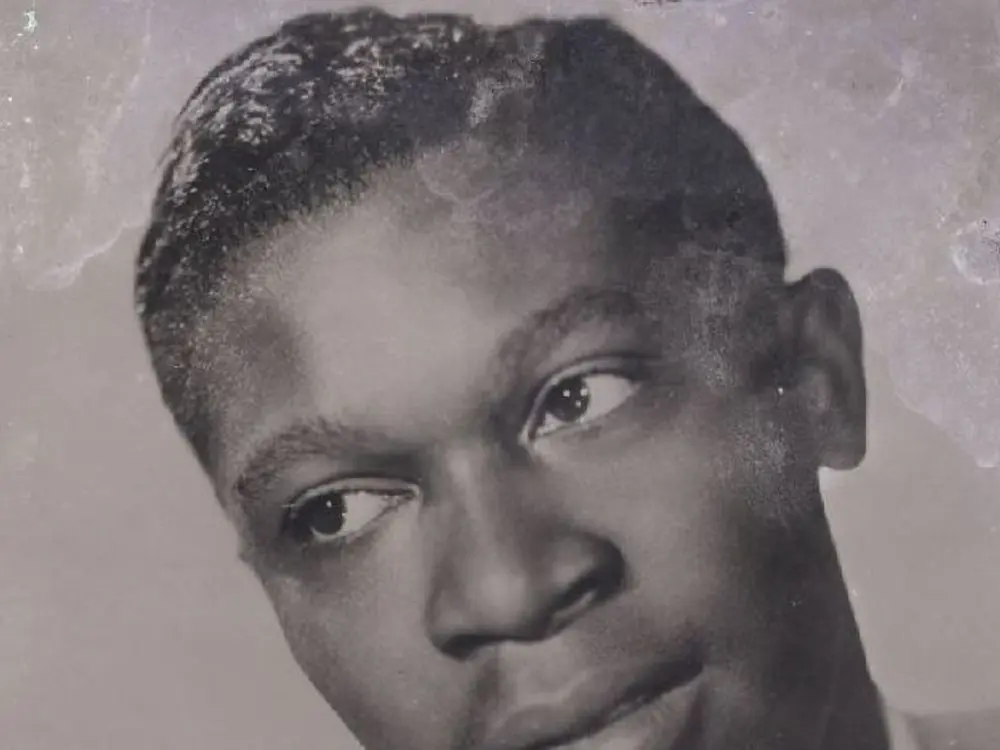
B.B. King
Electric Blues

B.B. King developed one of electric blues’ most recognisable languages through a guitar tone that could make a single note speak and a graceful singing voice.
A demanding touring schedule and a run of R&B hits established the model of the modern blues star in the 1950s. The call and response he developed with his guitar, Lucille, became a fundamental inspiration for later rock guitarists.
Where did the sound come from?
Riley B. King grew up in a sharecropping family in the Mississippi Delta. Church guitar playing, T-Bone Walker and Delta blues were early influences. After moving to Memphis, he worked at WDIA radio as a DJ and live musician. The name Beale Street Blues Boy was gradually shortened to B.B. King.
He began recording for RPM and Modern Records in 1949. His first major hit, “Three O’Clock Blues”, was recorded in 1951 and reached the top of the R&B chart in early 1952.
The years that changed the course
“You Know I Love You”, “Please Love Me”, “You Upset Me Baby”, “Every Day I Have the Blues” and “Sweet Little Angel” made King a major touring blues star during the 1950s. Hundreds of annual appearances on the Chitlin’ Circuit sharpened his command of the stage.
The story of Lucille’s name is tied to an Arkansas dance-hall fire: King went back inside to rescue his guitar. The name became a reminder of that risk and of his devotion to music.
What made the sound instantly recognisable?
King used the guitar as a second voice answering his singing rather than as a way to fill out chords. His left-hand vibrato, single-note bends and the spaces between phrases made him instantly recognisable.
His singing carried the influence of gospel and blues shouters. Instead of singing and playing at the same time, he let the two voices take turns. This call-and-response approach became a basic model for later rock guitarists.
The world behind the stage
The professional touring network King built in the 1950s established a model for the modern blues star. Although the music’s large-scale crossover to rock audiences accelerated in the 1960s, his core repertoire and guitar language were formed during the earlier decade.
Turning points
Riley B. King left agricultural life in the Mississippi Delta for Memphis, where he performed live and worked as a DJ on WDIA under the name Beale Street Blues Boy, later shortened to B.B. King. His 1951 recording of “Three O’Clock Blues” for RPM and Modern became a major R&B hit in 1952. “You Know I Love You”, “Please Love Me”, “You Upset Me Baby” and “Sweet Little Angel” helped sustain a demanding touring schedule. His 1950s career shows how a professional blues band could keep playing hundreds of nights a year across the national Chitlin’ Circuit.
Inside the studio
King’s guitar language depended on brief, carefully chosen answers to vocal phrases more than on extended solo displays. Vibrato, bent strings and a crying upper-register tone became inseparable from the guitar he called Lucille. Brass arrangements in Memphis and Los Angeles sessions strengthened the jump-blues and jazz elements of his sound. Rather than strumming chords, he often silenced the guitar while singing, then let it speak once the vocal ended. That exchange became a cornerstone of modern blues guitar.
Who carried the influence forward?
King’s access to a large international rock audience increased in the 1960s and beyond, but the groundwork lay in his 1950s R&B hits and tireless touring. Eric Clapton, Peter Green, Mike Bloomfield and countless other guitarists learned from his vibrato. His greatness, however, went beyond a technique others could copy: he could give a single note the power of a story. He helped turn the blues’ rural heritage into an urban, orchestrated and professional stage art.
A listening guide to the 1950s
This is a listening route, not a ranking of the best songs. These starting points trace the artist’s development across the decade, different sides of the music and its place in history.
Three O’Clock Blues
King’s first major R&B chart-topper.
Please Love Me
Answering guitar phrases and a commanding vocal structure.
You Upset Me Baby
Blues phrasing within a more energetic rhythm.
Every Day I Have the Blues
A staple of the touring repertoire and urban blues.
Sweet Little Angel
Lucille’s tone and the dramatic vocal at their most expressive.
The legacy in music history
He made the electric guitar a speaking voice of the blues.
B.B. King’s musical identity took shape in the 1950s and continued to resonate in later decades through fresh interpretations of the repertoire, echoes of the stage approach and direct influence on other musicians. In this dossier, Oldies Radyo considers the artist as a creative force in the evolution of popular music, alongside the nostalgic appeal.
These articles were originally written in Turkish for Oldies Radyo through comparisons of international institutional sources and archives. This English edition preserves their scope and editorial approach.
Related 1950s artist features