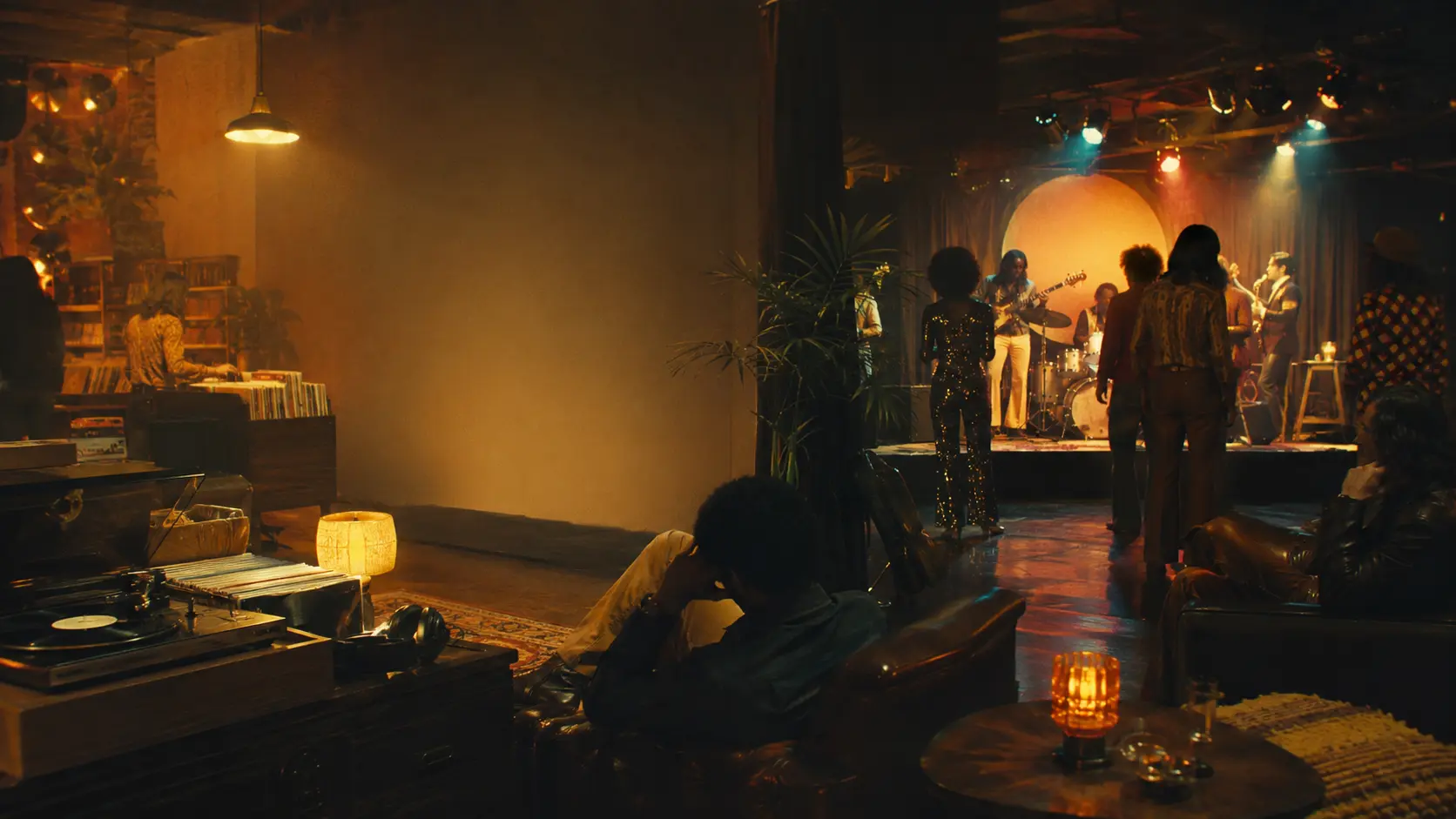
Before new wave became a clear category, pub rock and power pop created important alternatives to arena-scale rock. These scenes favored smaller venues, concise songs and a return to direct band performance.
Pub rock
British pub rock acts rejected excess through rootsy rhythm-and-blues, country and rock ’n’ roll played in intimate venues. The scene helped prepare musicians and audiences for punk.
Power pop
Power pop revived bright melodies, compact guitar arrangements and 1960s-style hooks through artists influenced by The Beatles, The Who and classic pop singles.
Into new wave
By the late 1970s, bands such as The Cars, Blondie and others combined punk economy with pop structure and synthesizers, forming the basis of new wave.
Why it matters
These overlapping scenes created a crucial bridge between roots rock, punk and the more polished alternative pop of the 1980s.