Traditional pop still rules, but the new rhythm is already moving underneath
1950 began with the mainstream still dominated by crooners, orchestras, film songs and radio stars. Yet beneath that polished surface, rhythm and blues, electric blues, gospel, country boogie and independent record labels were creating a very different musical future.
The mainstream picture
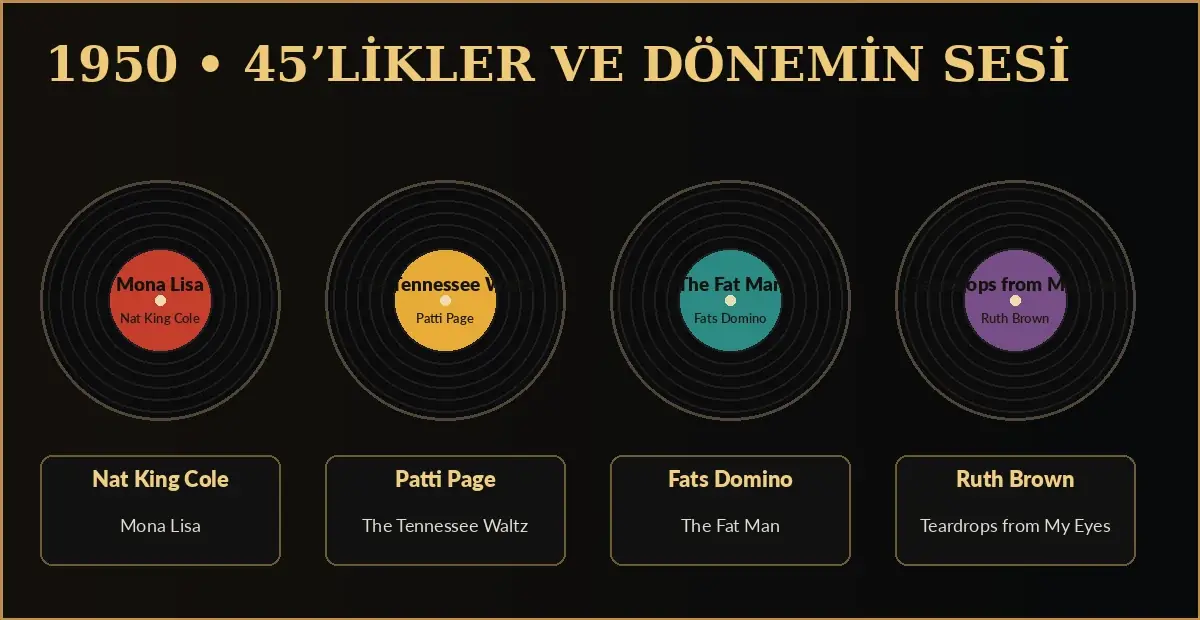
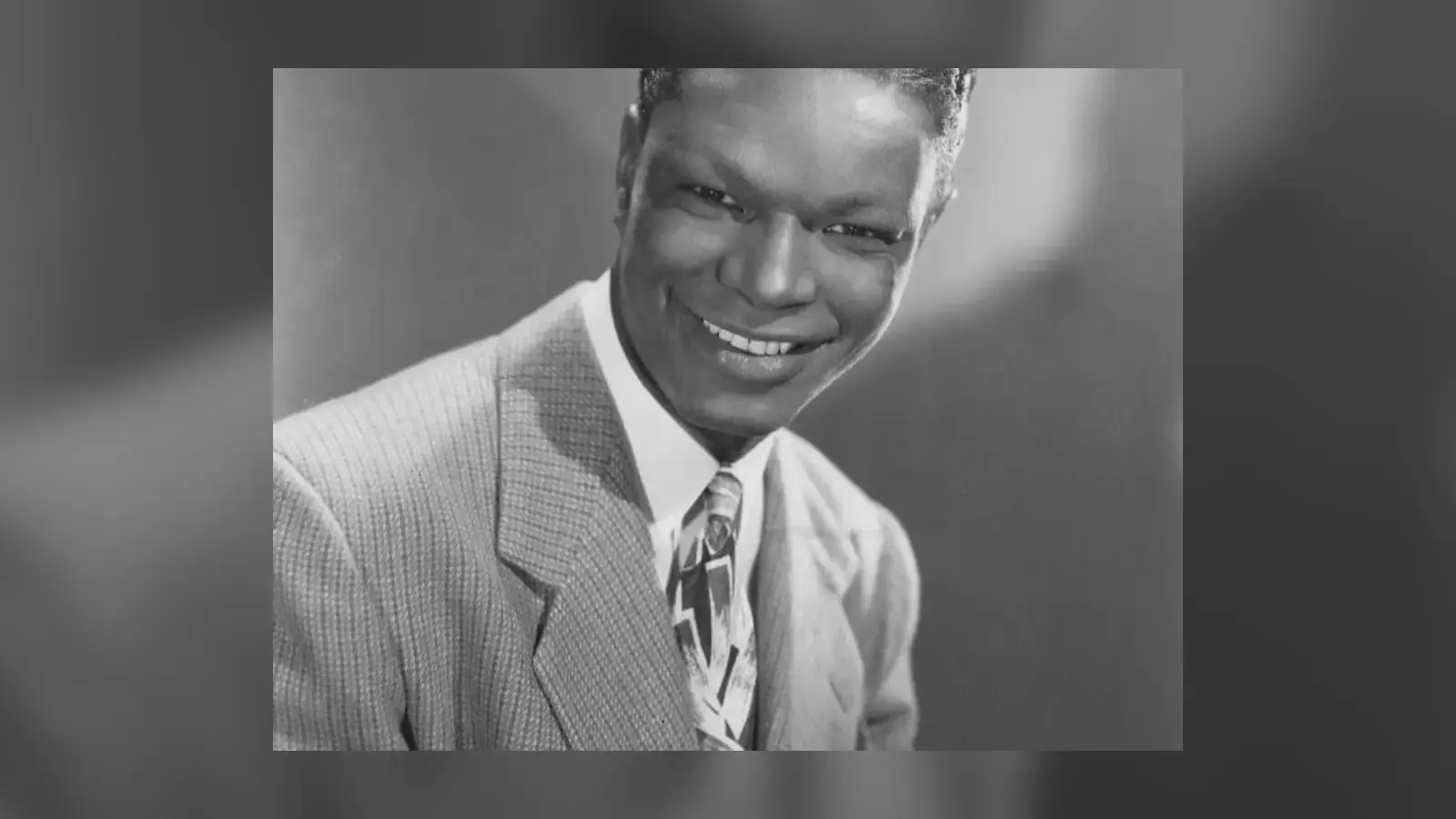
Artists such as Nat King Cole, Patti Page and traditional pop vocalists remained central to the charts. The LP was still a relatively new format, and radio continued to shape national listening habits more than television did.
Rhythm and blues grows stronger
Black popular music was becoming harder, more rhythmic and more urban. Ruth Brown, Fats Domino, Louis Jordan and other R&B performers were building the language that would soon feed directly into rock ’n’ roll.
Electric blues in Chicago
Muddy Waters and other Chicago musicians were turning blues into an amplified city sound, using electric guitar and harmonica to create a tougher texture than pre-war acoustic traditions.
Country and honky-tonk
Hank Williams remained one of country music’s defining songwriters, while honky-tonk and country boogie brought stronger rhythm and emotional directness into rural popular music.
Why 1950 matters
Nothing had “exploded” yet, but nearly every ingredient of the coming rock ’n’ roll era was already present. The important story of 1950 is therefore not a sudden revolution, but a musical landscape beginning to overlap in new ways.